




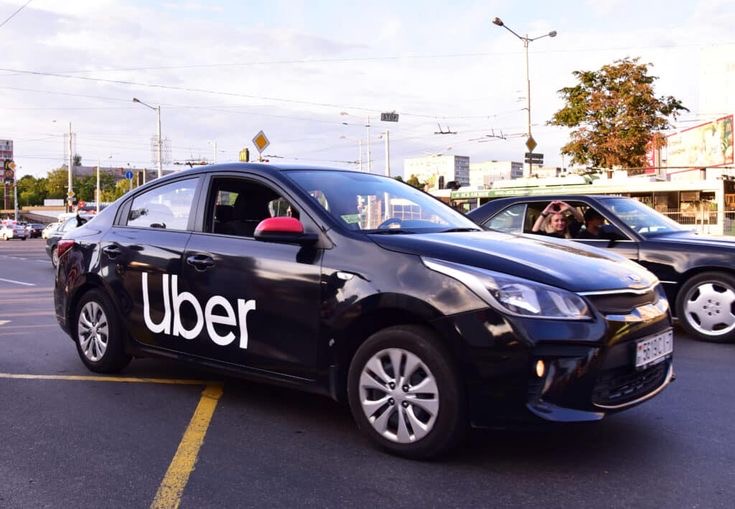
In a telling shift for the autonomous vehicle landscape, Uber Technologies Inc. and Alphabet Inc.’s Waymo have officially ended their ride hailing partnership in Metro Phoenix. The decision quietly winds down an arrangement that allowed Uber users to hail driverless Waymo vehicles directly through the Uber app, signaling a strategic transition from cooperative trial to open market competition.
The breakup concludes a nearly three year pilot program that initially served as a high profile truce between two former courtroom adversaries. Both companies confirmed the conclusion of the Phoenix service, noting that the vehicles used for the Uber network have already been absorbed back into Waymo’s independent operations.
When the agreement was struck, the collaboration paired Waymo’s industry leading autonomous driving technology with Uber’s massive digital network. However, as the market matures, the motivations for maintaining a shared ecosystem in Phoenix have weakened.
Waymo representatives characterized the split as the natural conclusion of a localized pilot project, emphasizing that their vehicles will continue to serve the Phoenix area exclusively via their proprietary app, Waymo One.
“The vehicles have already been folded back into its own Phoenix fleet, where they will continue serving riders through its app, including public transit trips with Via and deliveries with DoorDash,” Waymo stated regarding the deployment.
For Uber, the departure of Waymo from its Phoenix platform leaves a temporary void in its driverless offerings within the city, though the company is already moving to fill it. Uber announced that it is preparing to launch a separate autonomous vehicle partnership in Phoenix in the near future, though it declined to name the incoming provider.
The relationship between Uber and Waymo has long been one of Silicon Valley’s most complex “frenemy” dynamics. The two companies fought a fierce legal battle over trade secrets that culminated in a $245 million settlement, before eventually pivoting to collaboration.
While the Phoenix integration has ended, the two companies are not cutting ties completely. Their partnership remains active in other expanding markets, including Austin and Atlanta. Uber described the Phoenix initiative as an intentionally limited deployment of just over a dozen vehicles that provided vital operational insights, noting that the experience effectively helped it “scale faster in Austin and Atlanta.”
Industry analysts view the Phoenix split as a sign of growing operational independence for Waymo. Backed by Alphabet, the autonomous leader now operates in 11 major U.S. metropolitan areas, logging more than 500,000 paid rides per week. The decision to pull away from Uber’s platform in Arizona indicates a strong confidence that the Waymo One app can generate sufficient consumer demand entirely on its own.
The strategic divergence comes at a time when both companies are aggressively scaling their separate driverless visions globally. Waymo is currently rolling out its next generation, purpose built Zeekr robotaxis, which cost significantly less to manufacture than its current fleet. Furthermore, the companies are on a path toward direct competition internationally, most notably in London, where Waymo is preparing a solo launch while Uber has aligned with British autonomous driving startup Wayve.
For riders in Phoenix, the immediate change is straightforward: those looking to catch a driverless ride must now open the Waymo app rather than Uber’s. For the broader tech sector, the move marks the end of an experimental overlap and the beginning of a much sharper competitive era in the race to dominate the driverless future.