




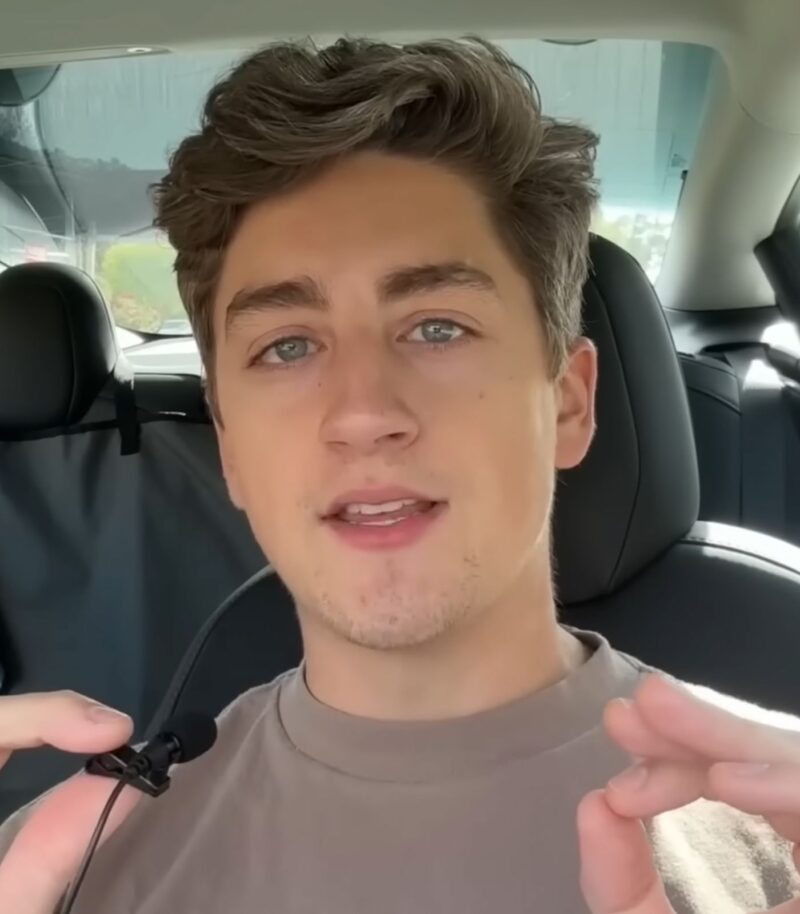
Popular internet commentator and YouTube creator Danny Gonzalez has sparked a wider conversation about user experience on social media by publicly calling out YouTube’s short-form video feature. Gonzalez expressed that YouTube Shorts have become his single biggest frustration with modern internet browsing, and he urged the tech giant to introduce a feature allowing users to disable them entirely.
“I feel like I would use the YouTube app so much more if you could turn off Shorts,” Gonzalez stated, highlighting a sentiment shared by many users who prefer traditional long-form content over algorithmic, rapid-fire feeds.
The rise of TikTok fundamentally shifted the landscape of digital entertainment, forcing legacy platforms to adapt or risk losing younger demographics. In response, Instagram introduced Reels, and Google owned YouTube launched YouTube Shorts. While the feature has successfully generated billions of daily views and opened up new monetization avenues for brief clips, it has also fundamentally altered the layout and navigation of the core YouTube application.
For creators like Gonzalez, who built their audiences on meticulously edited, long-form commentary, the aggressive integration of Shorts feels less like an upgrade and more like a distraction. The YouTube interface increasingly prioritizes these vertical clips, pushing them into main feeds, search results, and a dedicated navigation tab that can be easy to click accidentally.
Gonzalez’s frustration stems from how these bite-sized videos disrupt the natural immersion of the platform. Instead of a curated space for community and deep dive entertainment, the interface can often feel overcrowded, designed to capture fleeting attention spans rather than foster sustained engagement.
What makes Gonzalez’s critique notable is his solution: user autonomy. Rather than demanding YouTube scrap the feature altogether recognizing its immense popularity and business value he is advocating for a simple toggle switch. By allowing users to “turn off” the Shorts feed, YouTube would cater to two distinct audiences: those looking for quick, scrollable content, and those who treat the platform as a traditional streaming network.
“I feel like I would use the YouTube app so much more if you could turn off Shorts.”
Industry analysts note that tech platforms are notoriously resistant to adding features that let users opt out of algorithmic feeds, as these feeds maximize time spent on the app. However, as “digital fatigue” becomes a growing concern among internet users, the demand for more intentional, customizable interfaces is rising. Gonzalez’s comment underscores a growing paradox for tech giants: by forcing a highly addictive feature onto everyone, they risk alienating the core users and creators who valued the platform’s original identity.