




Kenya just launched a video-sharing and livestreaming platform named UrbanTok. The app is designed as a local alternative to TikTok, which already has over 18.4 million Kenyan users.
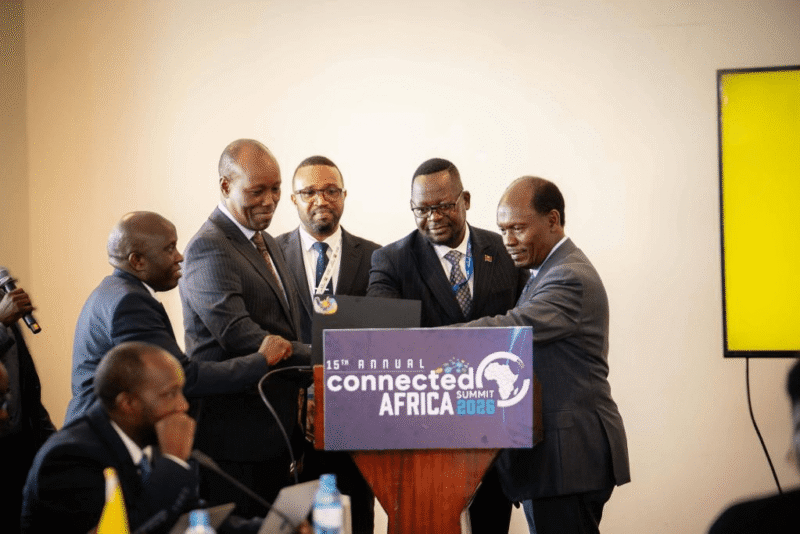
The platform is founded by Mzawadi Group, UrbanTok was unveiled at the Connected Africa Summit, and is designed to let creators share videos, go live, sell products, crowdfund, and charge for premium content, all on a platform built and operated locally. The web version is already live and available to creators, while an Android app was made briefly available for testing at the event.
Principal Secretary for ICT and Digital Economy John Kipchumba Tanui, who attended the launch, described the platform as a direct solution to long-standing complaints and challenges from Kenyan content creators.
“Kenyan creators have struggled with external algorithms and foreign payment gateways to earn from their hard work,” he said. “UrbanTok is designed to put monetisation directly into the pockets of our local talent seamlessly.”
That frustration is real and well-documented. Creators in Kenya and across Africa who earn from TikTok face a system in which gifts are purchased at higher rates than in wealthier regions, and earnings often have to be withdrawn through foreign payment platforms like PayPal, adding restrictions and fees at every step.
Beyond monetisation, account closures on platforms like TikTok, X, and Facebook, with limited or opaque appeals processes, have left many African creators feeling exposed and powerless on platforms they cannot influence or hold accountable.
Can urbantok replace Tiktok in Kenya?
UrbanTok’s launch could not come at a more relevant moment for African creators. In Nigeria, TikTok’s Creator Rewards Programme remains unavailable to most creators, meaning Nigerian users can build massive audiences on the platform but earn almost nothing directly from it.
Earlier this year, X triggered widespread backlash, including from Nigerian creators, when it proposed a local impressions weighting system that would have significantly reduced earnings for accounts with global audiences. Elon Musk eventually paused the change, but the episode highlighted how dependent African creators are on decisions made by foreign platforms with little regard for their economic realities.
A locally owned platform like UrbanTok removes that dependency. Data stays local. Payment infrastructure is built around local realities. Earnings are much easier to access.
One major challenge is that it may be difficult getting creators to abandon TikTok, where most creators have already amassed millions of followers and views, and stick to Urbantok. To ensure the quick growth of the platform, the Kenyan government may need to step in and ban the use of TikTok in the country.
Building a social platform is a great idea. Getting creators and audiences to abandon the network effects of a service with 18 million users in a single country would be quite difficult, and also most creators do not wish to connect with only Kenyans, they want to connect with users across the world. TikTok is already global and has a widespread user base across the world.
UrbanTok may need much more than a launch event and government endorsement to make that shift happen. It will need a monetisation system that literally pays better than TikTok, a content discovery algorithm that surfaces new creators fairly, and a community large enough to make going live feel worth it.
These are significant challenges. But given how visibly the current platforms are failing African creators, the quest for a credible local alternative is increasingly growing.