




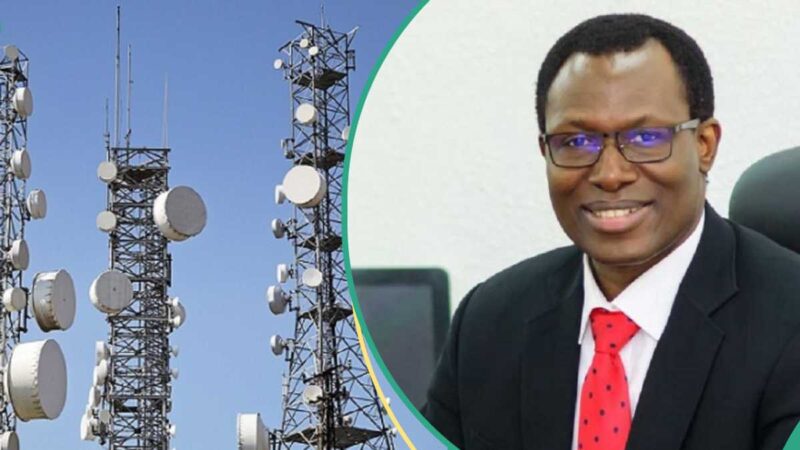
Association of Licensed Telecoms Operators of Nigeria, has pushed back against claims that the 50 percent tariff increase approved in 2025 has negatively impacted service quality or failed to benefit subscribers.
Speaking on recent developments in the Nigerian telecommunications sector, Adebayo contended that the tariff adjustment has instead triggered unprecedented investment flows and network expansion across the country, directly contradicting narratives suggesting the hike harmed consumers or operators.
ALSO READ:Allbirds New CEO Steps In with Big AI Ambitions but Zero Staff.
The ALTON Chairman revealed that telecom operators, tower companies, and other industry participants deployed approximately 2.13 trillion naira in capital expenditure during 2025, with projections of 1.86 trillion naira earmarked for 2026.
He credited this robust investment wave directly to the tariff approval, noting that the industry moved from a state of financial distress to sustainable growth within months of the adjustment taking effect. These figures underscore the structural transformation that resulted from the regulatory decision, Adebayo explained during recent stakeholder engagements in Lagos.
Adebayo’s remarks come as various stakeholders, including lawmakers and consumer advocates, have voiced concerns about the tariff’s impact on ordinary Nigerians. The Senate had previously called for a review of the increases, while several social media conversations highlighted subscriber complaints about rising data costs. However, the ALTON Chairman’s dismissal of these impact claims rests on his assertion that the tariff relief enabled operators to move from operating under financial stress to investing meaningfully in network infrastructure. He emphasized that without this reprieve, operators would have been forced into service shedding and quality deterioration.
The Chairman further noted that the sector has received broader recognition as the regulatory architecture stabilized following the tariff decision. The Nigerian Communications Commission has since moved to review other frameworks affecting the industry, including the Mobile Termination Rate regime, signaling what Adebayo described as improved collaborative governance. He also highlighted the industry’s role as foundational infrastructure supporting all other economic sectors, from financial services to power and transport.
Adebayo acknowledged external challenges constraining improvement efforts, particularly citing vandalism of fiber infrastructure, insecurity, and regulatory bottlenecks that remain beyond operators’ immediate control. Yet his overarching message was one of sector recovery, with the tariff adjustment functioning as a critical turning point that restored investor confidence and enabled the operational reforms necessary for long-term viability. The association remains grateful to the Federal Government for facilitating this decision, he stated.