


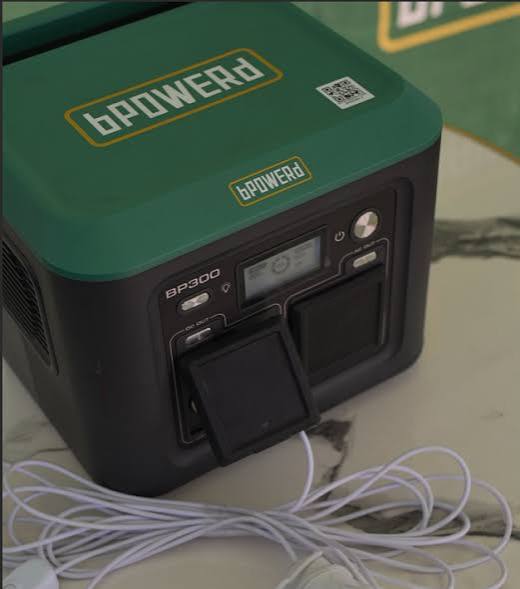
A power rental model that started in South Africa is now taking root in Nigeria as households and small businesses look for cheaper ways to keep the lights on. bPOWERd, a clean energy company developed under bp, says the shift shows that Africans are not resistant to clean energy, only held back by the cost of owning it outright.
Thandekile Madikane, Head of Country Operations for South Africa at bPOWERd, said the demand for reliable power has always existed. What was missing, she said, was a way to access electricity without the burden of ownership. Customers now pay for power only when they use it, with no debt, no installation cost, and no maintenance to worry about, according to Madikane, who spoke to TechCabal.
South Africans have historically paid between 8,000 rand and 150,000 rand to buy generators, inverters, or solar systems outright. For many township households and small business owners, those costs remain out of reach even though electricity has become essential to earning a living. Madikane said some of bPOWERd’s customers can afford to buy equipment but choose to rent instead because the model preserves financial flexibility. Access and predictable cost, she said, now matter more than owning the asset.
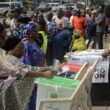
Although load shedding has eased across South Africa, unreliable power supply persists in many communities, particularly townships where unplanned outages continue to disrupt households and informal businesses. bPOWERd’s customer base includes barbers, salon owners, food vendors, and spaza shop operators whose income stops the moment power goes out.
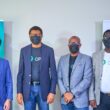
The company launched in South Africa in 2025 and completed 125,000 rentals within its first year of operation. It has since expanded into Nigeria, opening seven rental sites across Lagos in partnership with Mobil service stations, which serve as battery swapping and charging hubs. The Nigerian rollout is being led by Managing Director Jonathan Lule and Nigeria Country Manager Akosua Acheaw, alongside Oluwole Ogidan, Head of bp Global West Africa.
In Lagos, customers pay a refundable deposit and rent solar-charged batteries instead of relying on petrol or diesel generators, a shift the company says can cut daily energy costs significantly for households running small appliances. Two battery sizes are available, a smaller unit suited for lighting and phone charging, and a larger unit capable of powering refrigerators, fans, and small business equipment.
Nigeria’s solar sector is growing but still accounts for only 1.5 percent of the country’s overall energy mix, according to the Africa Solar Outlook 2026 report. That gap leaves room for portable energy products, particularly in a dense market like Lagos where grid instability and high fuel costs continue to push households toward alternatives.
Madikane said the lesson from Nigeria mirrors what bPOWERd learned in South Africa’s townships. People were never resistant to clean energy, she said. They were simply locked out of it by cost, and removing that barrier makes them move fast.
The bigger test now is whether the rental model can hold up at scale. bPOWERd will need to manage battery losses, charging costs, maintenance, and deposit recovery as it grows across Lagos. If the unit economics work, the company believes the model could extend to kiosks, salons, food vendors, and small offices across West Africa’s most power-starved markets.