

Nigeria is building a fast financial highway. But it has not installed the traffic cameras yet. That is the uncomfortable truth as the country pushes into tokenised equities without real-time monitoring tools. Those tools catch manipulation before investors lose money.
South Korea just showed what they look like. The country’s Financial Supervisory Service upgraded its Virtual Asset Trading Analysis System, known as VISTA. The system now pairs generative AI with machine learning to police digital asset markets as trades happen. It tracks thousands of tokens across multiple exchanges at once. As a result, it spots patterns human investigators would likely miss.
The system hunts for specific manipulation tactics. One is the “racehorse” scheme, where bad actors artificially pump prices during narrow trading windows. Another is the “cage” scheme. This one engineers wild volatility while an asset sits under deposit and withdrawal restrictions. When the system flags an unusual price spike, a generative AI module checks exchange notices, disclosures, and news reports right away. It looks for a real explanation. If the pattern still looks coordinated, speech-to-text tools scan chat rooms, online forums, and YouTube videos. This exposes front-running networks and paid pump channels.
South Korea backs all this with serious computing power and legal muscle. Its Digital Asset Basic Act treats crypto manipulation as seriously as systemic banking risk. Regulators automated the heavy pattern detection. However, they kept human investigators in charge of final decisions.
That approach sets a demanding benchmark for Nigeria. And the comparison is fair.
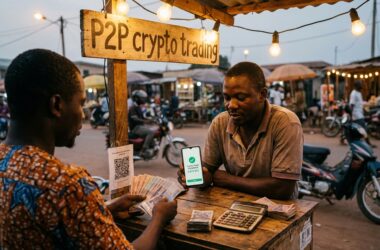
Nigerian regulation has genuinely progressed. The Investments and Securities Act 2025 folded digital assets into the national securities framework for the first time. Meanwhile, the Securities and Exchange Commission grew its Accelerated Regulatory Incubation Programme to cover fourteen supervised Virtual Asset Service Providers. This shows regulators want to engage, not just restrict. The market, meanwhile, keeps moving fast. Retail platforms such as Roqqu now let users buy tokenised stocks alongside cryptocurrencies. NASD’s digital securities platform is also preparing to host public tokenised offerings.
But here is the gap. The incubation programme screens who enters the market. It does not watch what happens once trading begins. As real equities, fractional shares, and local debt instruments move onto blockchain rails, the damage from unmonitored manipulation grows heavier. A collapsed meme coin mostly hurts traders who accepted that risk. But a manipulated market in tokenised corporate equities damages public trust in the entire capital-raising system.
Nigerian retail trading also carries a specific vulnerability. Market sentiment moves through Telegram groups, WhatsApp networks, and X spaces every day. So this social structure makes crypto trading accessible to ordinary Nigerians. Yet it also gives bad actors an easy way to fake liquidity surges. They can dump assets on unsuspecting investors before anyone notices.
If the SEC and the Central Bank of Nigeria keep relying on retrospective audits, they will always chase the market instead of protecting it. The same applies to suspicious transaction reports filed days after the fact. By the time enforcement catches up, retail capital is already gone.
READ ALSO:Bitcoin Surges to $69,000 on Short Squeeze, ETF Inflows
Nigeria does not need to copy South Korea’s expensive supercomputing clusters right away. Trading volumes and market structures differ between both countries. However, the underlying principle still travels well. Once transaction speed and asset variety outpace human oversight, surveillance has to become automated.
The SEC already holds the right lever. It should use the incubation period to make real-time trade data integration a mandatory licensing condition, not an optional upgrade. Regulators do not need to build this technology from scratch either. Established blockchain intelligence firms already sell ready-made monitoring infrastructure that Nigeria’s market could adapt.
South Korea built its AI watchdog only after scandals and heavy retail losses forced the government’s hand. Nigeria still has a rarer opportunity. It can build real-time surveillance before a crisis, not after one. Letting the market scale while regulatory tools stay entirely manual is a gamble Nigeria’s digital assets space cannot afford to take.