

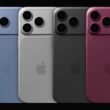



HP Inc. is preparing a high stakes return to the global consumer tablet market, aiming to challenge established tech giants with the upcoming launch of its new flagship device, the “OmniPad 12.” In a calculated departure from traditional Silicon Valley rollout strategies, the personal computing pioneer is bypassing saturated Western markets to debut the device in rapidly expanding emerging tech hubs across Southeast Asia, Latin America, and parts of Africa.
Industry analysts view the move as a bold reclamation project. HP, while remaining a dominant force in the global PC and laptop sectors, largely retreated from the dedicated consumer tablet space following the high profile discontinuation of its webOS-powered TouchPad more than a decade ago. While the company has since maintained a quiet presence in the commercial space with enterprise-focused detachable laptops, the OmniPad 12 represents a direct, aggressive bid for the everyday consumer’s screen time.
The decision to focus initial launch efforts on emerging economies reflects a sophisticated understanding of shifting global demographics and purchasing power. Markets in regions like Southeast Asia and Latin America are currently experiencing a massive surge in digital-first consumers who utilize tablets not just as secondary entertainment screens, but as primary devices for education, remote work, and entrepreneurship.
“We are not looking to simply enter a crowded room and shout louder than our competitors,” an HP senior product strategist stated on the condition of anonymity. “The OmniPad 12 was engineered from the ground up to address a specific, growing segment of global creators and professionals who require desktop class performance without the desktop footprint or price tag. By focusing on emerging tech hubs, we are meeting the next generation of digital builders exactly where they are.”
While technical specifications remain closely guarded ahead of the official keynote, supply chain insiders hint that the OmniPad 12 will feature a 12.4 inch high refresh rate display, proprietary stylus integration, and a highly optimized operating system designed to bridge the gap between mobile agility and traditional computing power.
The strategy appears aimed at disrupting the mid to high end tablet segment, currently dominated by Apple’s iPad Air and Samsung’s Galaxy Tab S series. HP is banking on its deep institutional knowledge of hardware reliability and enterprise grade security to carve out a distinct competitive advantage.
“The tablet market has stagnated into a duopoly of sorts, leaving a massive gap for a trusted legacy brand to offer a true productivity alternative,” notes technology analyst Marcus Vance of Vanguard Tech Insights. “If HP can deliver premium build quality alongside an aggressive pricing structure tailored to these emerging markets, they won’t just survive they could fundamentally shift the market dynamics.”
The road back to consumer mobility will not be without friction. HP faces the monumental task of rebuilding brand loyalty in a product category where it has been absent for years. Consumers in the targeted launch hubs are already fiercely loyal to ecosystem locked brands.
Furthermore, establishing robust distribution networks and localized customer support ecosystems in diverse regions will require significant capital and logistical precision. HP’s leadership, however, appears undeterred by the scale of the challenge.
“This is a marathon, not a sprint,” the HP insider added. “The OmniPad 12 is merely the opening chapter of a broader, sustained commitment to the mobile computing ecosystem. We are playing the long game.”
As anticipation builds for the official unveiling, the tech world will be watching closely to see if HP’s calculated gamble in the world’s fastest growing economies will pay off, signaling a triumphant second act in the palm of the consumer’s hand.