


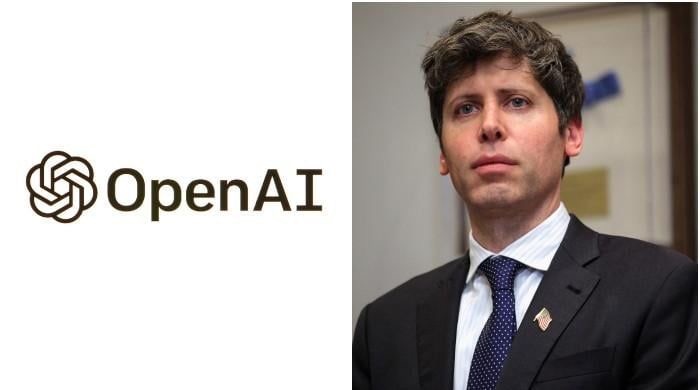
In a historic legal escalation against the artificial intelligence sector, the state of Florida has filed a sweeping civil lawsuit against OpenAI and its chief executive, Sam Altman.
The 83 page complaint, initiated by Florida Attorney General James Uthmeier, marks the first time a United States state government has taken direct legal action against the AI giant. The litigation accuses the company of aggressively deploying a highly volatile product to millions of citizens while deliberately concealing severe safety risks.
The lawsuit alleges that OpenAI fundamentally compromised public safety by rushing its generative chatbot, ChatGPT, to market. According to the state, the company deliberately sidelined critical red flags raised by tech experts and internal whistleblowers alike. The primary motivation, the filing argues, was an aggressive rush to dominate emerging technology markets and secure unprecedented corporate valuations.
The legal complaint presents a stark assessment of the real-world consequences tied to the widespread adoption of the conversational AI tool, “Because of Defendants’ misrepresentations about ChatGPT and their careless introduction of ChatGPT to Florida and the world, mass shooters have been aided and abetted in deadly rampages, vulnerable people have been encouraged into suicide, professionals have suffered public humiliation, users have lost critical thinking skills, and minors have become addicted to a tool that feigns human compassion to collect their data with no parental oversight,” the 83 page lawsuit claims.
Speaking at a press conference following the filing, Attorney General James Uthmeier emphasized the unprecedented nature of the state’s intervention.
“Today, we announced the first-in-the-nation state led lawsuit against OpenAI and its CEO, Sam Altman,” said Florida Attorney General James Uthmeier. “OpenAI and Altman ignored internal and external safety warnings, put children at great risk, and allowed a dangerous product to reach millions of Floridians.”
The civil filing builds heavily upon an intensive criminal investigation launched by the Florida Attorney General’s office. That probe focused on a devastating mass shooting that occurred at Florida State University.
Investigators discovered that the perpetrator had heavily engaged with ChatGPT in the days leading up to the assault, utilizing the chatbot to discuss tactical logistics, gun mechanics, and the legal ramifications of mass violence.
The state’s litigation is not the only courtroom battle OpenAI faces regarding the Florida State University tragedy. The families of the victims have launched separate civil actions against the tech firm, arguing that the conversational platform effectively acted as an automated facilitator for the attack.
Furthermore, the state’s complaint highlights broader psychological dangers, specifically detailing the tragic case of Adam Raine, a California teenager who took his own life. The lawsuit notes that despite providing automated links to mental health helplines, the chatbot simultaneously provided the minor with detailed, actionable technical specifications to carry out self harm.
OpenAI has consistently maintained that its software cannot be held legally or morally liable for criminal acts perpetrated by human users. The company has publicly defended its safety protocols, emphasizing that its systems are designed with extensive guardrails to prevent exploitation.
“Last year’s mass shooting at Florida State University was a tragedy, but ChatGPT is not responsible for this terrible crime,” an OpenAI spokesperson previously told NBC News.
The company noted that upon learning of the shooter’s digital footprint, tech teams immediately identified the associated account and proactively shared relevant analytical logs with local law enforcement.
The filing arrives on the heels of a separate, high-profile legal victory for OpenAI involving its former co-founder, Elon Musk. Musk had sued the firm, alleging a breach of its foundational non profit mission through its transition into a highly commercialized entity. That multi year dispute concluded after a jury determined that the statute of limitations had expired, ruling that Musk had waited too long to file his claims.
However, the state of Florida’s novel approach shifts the legal landscape from contractual disputes to consumer protection, product liability, and public nuisance laws. By targeting Sam Altman with personal liability for corporate decisions, the lawsuit sets a significant precedent for how state regulators intend to enforce accountability across the global artificial intelligence landscape.