



For years, secure messaging between Android and iPhone users came with a catch.
If you wanted true end-to-end encryption across platforms, you often had to leave your default texting app behind and use services like WhatsApp, Signal, or Telegram. Meanwhile, conversations between Android and iPhone users remained stuck in a frustrating middle ground, where photos lost quality, group chats broke, and privacy protections lagged behind modern messaging apps.
That is finally beginning to change.
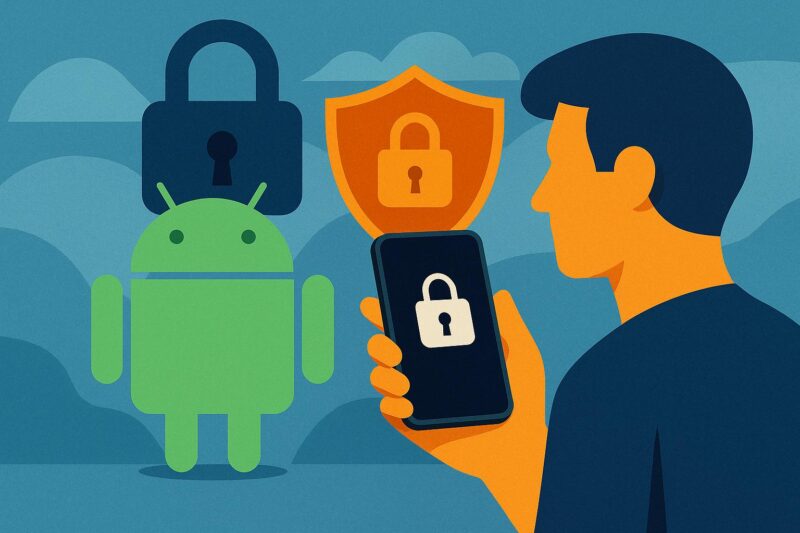
With the rollout of end-to-end encrypted RCS messaging in iOS 26.5 and the latest Google Messages updates, Android and iPhone users can now exchange encrypted messages through their default messaging apps. The update marks the first time Apple’s Messages app and Google’s Messages app have supported cross-platform end-to-end encryption using a shared industry standard.
It’s a major milestone for mobile communication and one that took years of rivalry, pressure, and collaboration to achieve.
The Android vs. iPhone Divide
For more than a decade, the Android-versus-iPhone rivalry has shaped the smartphone industry. The two platforms competed on everything from cameras and software features to privacy and ecosystem lock-in. Yet one of the biggest battlegrounds wasn’t the phones themselves, it was messaging.
Whenever Android and iPhone users tried to communicate, the experience often fell apart. Photos and videos lost quality, typing indicators disappeared, read receipts stopped working, and group chats became frustratingly inconsistent. The problem wasn’t that Android users preferred Android or that iPhone users preferred Apple. The problem was that the world’s two largest mobile ecosystems were speaking different languages.
Apple built iMessage. Google backed RCS, a modern replacement for traditional SMS. Both systems improved messaging within their own ecosystems, but conversations between them were left behind. As long as those two worlds remained separate, cross-platform texting never felt as seamless or as secure as it should have.
Why This Matters
The latest update doesn’t just improve messaging features it improves security.
End-to-end encryption means messages are scrambled on the sender’s device and can only be unlocked by the intended recipient. Neither Apple, Google, mobile carriers, nor outside parties can read the contents while the message is being transmitted.
Before this update, Android-to-Android RCS chats could be encrypted, and iPhone-to-iPhone conversations were already protected by iMessage. Conversations between Android and iPhone users, however, lacked those same protections.
That gap has now started to close.
The new system is built on RCS Universal Profile 3.0 and uses Messaging Layer Security (MLS), a framework designed to bring end-to-end encryption to messaging services across different platforms.
Instead of forcing users onto third-party apps, Apple and Google worked alongside the GSMA and other industry partners to build encryption directly into the messaging standard itself.
The result is simple: secure messaging now works where billions of people already communicate every day.
The Consumer Wins
For more than a decade, Apple had little interest in adopting RCS. The company viewed iMessage as one of its strongest ecosystem advantages, while Google spent years publicly pushing Apple to support a common messaging standard. At one point, Apple CEO Tim Cook famously responded to a question about improving Android-to-iPhone messaging by saying, “Buy your mom an iPhone.”
Eventually, the industry moved forward. Apple adopted RCS in 2024, bringing modern messaging features to Android and iPhone conversations. The latest rollout goes a step further by adding end-to-end encryption, solving one of the biggest remaining weaknesses of cross-platform texting.
There is one important caveat: the rollout is happening gradually and depends on carrier support. Not every user will see encrypted RCS conversations immediately, even after updating their devices.
Still, the direction is clear. For years, the best messaging experience depended on which phone your friends owned. If you wanted secure communication across platforms, you often had to download another app. Now, Apple and Google are bringing those protections directly into the default messaging apps already installed on billions of devices.
The rivalry between Android and iPhone is not going away. Green bubbles will remain green, blue bubbles will remain blue, and both companies will continue competing fiercely for users.
But for the first time, the messages traveling between them can be protected by the same lock.
And that’s a win for everyone.
READ ALSO: