



Malawi is taking a decisive step into an artificial intelligence era that actually speaks to its people. The World Bank, with backing from the Gates Foundation, has launched a groundbreaking initiative to develop AI systems that understand and process Chichewa, the language spoken by millions across southern Africa. It’s a move that signals something bigger than one country’s tech ambitions. It reflects a continent-wide race to ensure that artificial intelligence isn’t just another tool that leaves African voices behind.
For years, the promise of AI has been consistent: make information universally accessible to everyone, regardless of language. But that promise has largely excluded Africa. More than two thousand languages are spoken across the continent, yet fewer than five percent of African languages have meaningful digital resources. Chichewa falls into the “low-resource” category, a designation that has effectively locked speakers out of the AI revolution. When you’re classified as low-resource, it means there simply isn’t enough digitized data online for artificial intelligence to learn your language effectively. Machine translation, speech recognition, conversational systems that work flawlessly in English, Spanish, and French largely don’t exist in Chichewa.
The structural problem runs deep. Colonial legacies imposed English, French, and Portuguese as the official languages across Africa. Education systems, governments, and increasingly technology platforms have reinforced this. Rural Malawians who speak Chichewa fluently but limited English suddenly find themselves excluded from critical information systems. During public health emergencies, development initiatives, and even basic access to services, the language barrier becomes a genuine barrier to inclusion.
READ ALSO:Namibia Rejects Starlink Appeal, Upholds Ownership Rule
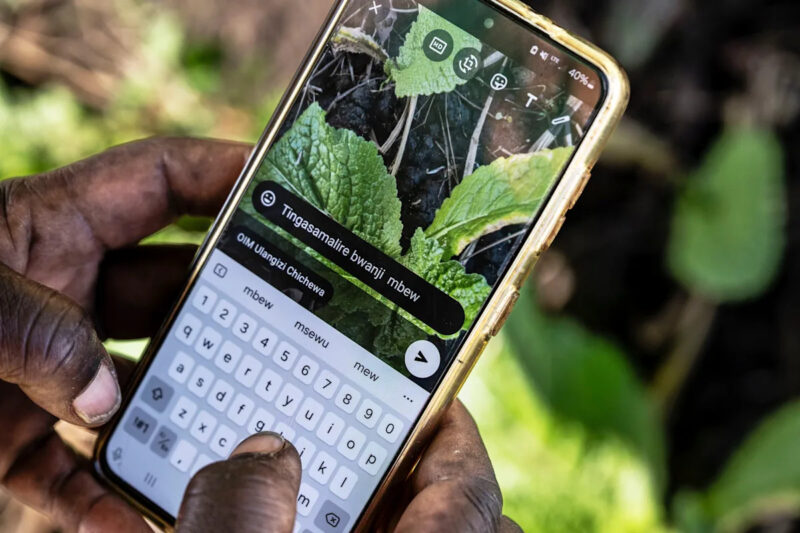
What Malawi is attempting to change that calculus. The initiative incorporates multiple stakeholders including local media organizations like Nation Publications Limited, which is contributing Chichewa language content to build training datasets. The goal is straightforward but ambitious: enable AI systems to deliver information and services in Chichewa, particularly benefiting rural communities where English remains a foreign tongue. This isn’t theoretical. Opportunity International has already deployed Ulangizi, a Chichewa-speaking AI chatbot that provides farming advice to rural Malawians through WhatsApp. Farmers like Alifosina Mtseteka can ask questions about crop diseases and pest management in their native language and receive guidance powered by ChatGPT and government agricultural data.
But Malawi isn’t isolated in this effort. Across Africa, a powerful movement is building. The African Next Voices project, funded by a 2.2 million dollar Gates Foundation grant, is creating 9,000 hours of speech data across 18 languages in Nigeria, Kenya, and South Africa. The African Languages Lab is working to preserve and digitize 40 African languages. Organizations like Dimagi are embedding Chichewa-language AI chatbots into health worker applications across Malawi.
The barriers remain formidable. Building AI datasets requires sustained funding, technical expertise, and coordination that many nations struggle to muster. Dialects within languages complicate standardization. Rural areas with limited internet access mean slower data collection. Yet the momentum is undeniable. Rather than waiting for Silicon Valley to solve this problem, African researchers and grassroots innovators are taking control of their linguistic futures. Malawi’s Chichewa AI push isn’t just about speaking a language. It’s about refusing to be left behind.