



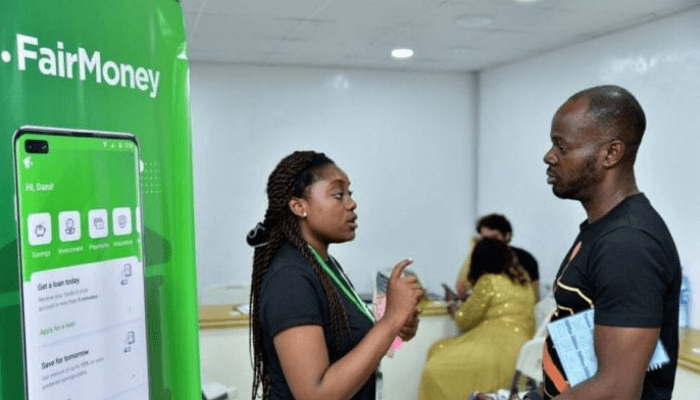
Nigeria’s informal transport sector has long been the backbone of urban movement, yet the people who power it motorcycle riders, tricycle operators, and minibus drivers, have historically been shut out of formal financial systems. That is changing. FairMoney, one of Nigeria’s leading digital lending platforms, is expanding access to asset financing specifically designed for mobility entrepreneurs, opening a door that has been closed to millions for far too long.
For many Nigerians working in the mobility space, acquiring a vehicle means taking on exploitative hire-purchase arrangements with private dealers or borrowing from family and friends at great personal cost. The interest rates are punishing, the terms unclear, and the ownership path murky at best. FairMoney’s expanded asset financing program directly confronts this reality by offering structured, transparent, and accessible loan products that allow riders and operators to own their vehicles outright building real assets instead of perpetual debt.
SEE ALSO: China’s DeepSeek Just Escalated the AI Price War With a Permanent 75% Cut to It’s V4-Pro Model
What makes this development particularly significant is its timing. Nigeria’s transport sector is undergoing rapid transformation, driven by the growth of ride-hailing platforms and last-mile delivery services. Entrepreneurs operating motorcycles and tricycles are in growing demand, yet their income is volatile and their credit histories are thin. Traditional banks have largely ignored this segment. FairMoney, by leveraging mobile data and alternative credit scoring, is filling that gap with a product built around how these workers actually live and earn.
The financing model is designed to reduce barriers from the ground up. Repayments are structured to align with daily or weekly earnings patterns, making it realistic for a Keke NAPEP operator or a dispatch rider to stay current without financial stress. Ownership transfers upon full repayment, giving entrepreneurs a tangible asset that can also serve as collateral for future financial products. This is not charity , it is smart, inclusive finance that creates a genuine economic ladder.
The broader impact extends well beyond individual borrowers. When mobility entrepreneurs gain access to fair credit, they invest more in vehicle maintenance, operate more safely, and earn more consistently. Their families benefit. Local economies benefit. And Nigeria’s chronically underfunded transport infrastructure gets a boost from the bottom up, not from the top down.
FairMoney’s move signals a maturing Nigerian fintech landscape, one that is increasingly looking beyond salaried workers and urban professionals to serve the estimated 40 million Nigerians employed in the informal economy. Asset financing for mobility entrepreneurs is not a niche product. It is an economic intervention with the potential to reshape livelihoods at scale. And right now, FairMoney is leading the charge.