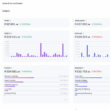





Nigeria’s internet connectivity landscape experienced a significant transformation in April 2025, with broadband penetration climbing to 48.15 percent as the country continues its aggressive push toward digital inclusion across all regions. The latest industry data released by the Nigerian Communications Commission reveals that the nation’s broadband subscriber base reached a milestone that underscores the growing appetite for high-speed internet services among Nigerians, particularly as the digital economy expands and more businesses embrace online operations.
The month of April marked a notable acceleration in Nigeria’s broadband expansion journey. Data from industry regulators show that broadband penetration increased from 45.61 percent recorded in January 2025, demonstrating consistent month-on-month growth even as the telecommunications sector navigated pricing adjustments that took effect earlier in the year.
CHECK OUT:MTN Nigeria CFO Acquires N1.03 Billion Share Stake, Signals Market Confidence
This upward trajectory reflects a fundamental shift in how Nigerians consume digital content and engage with online services, driven primarily by the proliferation of affordable smartphones and the strategic deployment of fiber optic infrastructure across major urban centers and emerging metropolitan areas.
Behind these impressive figures lies a coordinated effort involving multiple stakeholders within Nigeria’s telecommunications ecosystem. Mobile network operators have substantially increased their capital expenditure on network infrastructure, with companies like MTN Nigeria reporting significant growth in their fiber broadband offerings. The industry collectively spent over one billion dollars on new telecom infrastructure throughout 2025, deploying thousands of upgraded towers and fiber connections that now reach communities previously underserved by high-speed internet providers. This infrastructure-first approach has proven transformative, as backend technicians in the sector confirm that neighborhood fiber availability directly correlates with subscription decisions among potential broadband users.
Government intervention has equally catalyzed this growth momentum. The streamlining of right-of-way regulations has made it substantially easier for telecommunications companies to deploy fiber optic cables across communities, eliminating legal bottlenecks that previously hindered network expansion. These regulatory improvements, combined with Project Bridge, the government’s ambitious initiative to extend Nigeria’s fiber backbone from 25,000 kilometers to 115,000 kilometers, signal an intentional commitment to achieving universal broadband access across all 774 local government areas by year-end.
However, the growth narrative carries important nuances that industry observers continue to highlight. While broadband penetration has surged dramatically, data affordability remains problematic for substantial segments of Nigeria’s population. Telecommunications operators implemented tariff increases between 10 and 20 percent in early 2025, reflecting the challenging operating environment shaped by infrastructure costs and currency depreciation pressures. Consequently, data consumption actually declined from January through April as price-sensitive users reduced their usage patterns, even as more people gained technical access to broadband networks.
The expansion of remote work opportunities has provided crucial demand-side support for broadband growth, offsetting price sensitivity among cost-conscious users. As Nigeria’s gig economy and digital service sectors expand, growing numbers of Nigerians now view broadband connectivity not as a luxury amenity but as essential infrastructure for income generation and professional advancement. This economic imperative, combined with infrastructure expansion and government policy improvements, positions Nigeria’s broadband sector for continued expansion through the remainder of 2025 and into 2026.