




For years, Bitcoin has been celebrated as the future of money. It has been praised as a store of value, embraced by investors, and adopted by businesses around the world. Yet for many people, one question has remained unanswered: How do you actually spend it in everyday life?
That question has become particularly relevant in Africa, where digital payments have transformed daily commerce but cryptocurrency often remains disconnected from ordinary transactions. Buying groceries, paying utility bills, settling transport fares, or sending money to family members still largely depends on familiar payment networks rather than digital assets.
Kenyan fintech startup Tando believes it has found a way to bridge that gap and they are Bringing Bitcoin Into Everyday Spending for Millions of Kenyans.
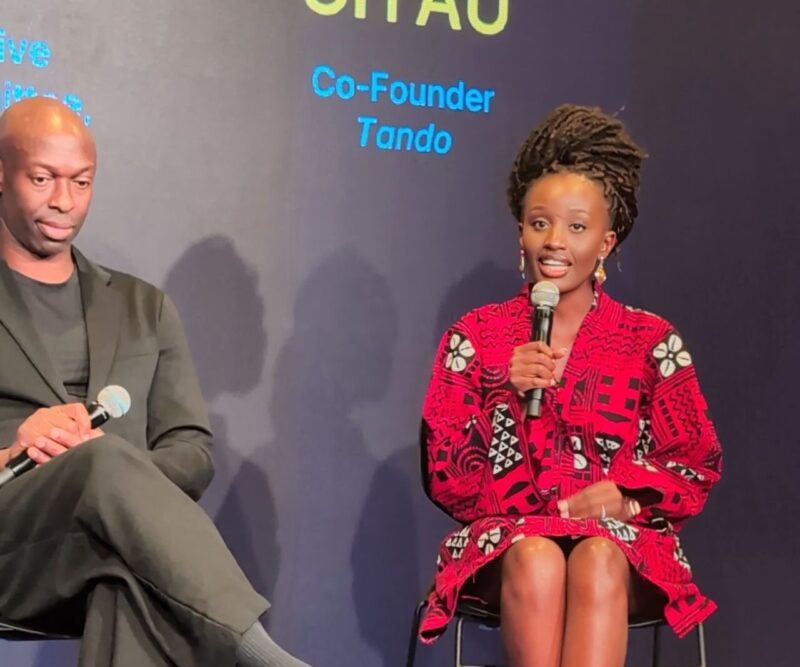
Founded in 2024 by Jason and Sabina Waithira Gitau, the company is building technology that connects Bitcoin directly with Kenya’s mobile money ecosystem, allowing users to spend and receive Bitcoin through the country’s widely used M Pesa network. Rather than asking people to abandon existing payment habits, Tando is building on infrastructure that millions of Kenyans already trust every day.
The significance of that approach goes well beyond cryptocurrency.
Kenya is widely recognised as one of Africa’s leading digital payments markets. Mobile money has become part of everyday life, enabling everything from salary payments and school fees to shopping, transport, and small business transactions. By integrating Bitcoin with this existing ecosystem, Tando is attempting to make digital assets practical rather than purely speculative.
The company’s latest innovation allows Bitcoin users to send funds directly to Kenyan phone numbers by using Bitcoin’s Lightning Network alongside M-Pesa. Instead of requiring complicated wallet addresses or multiple conversion steps, users can transact using a mobile phone number that is already familiar to millions of people. The recipient receives Kenyan shillings through M-Pesa while the sender pays in Bitcoin, significantly reducing the friction that has traditionally limited cryptocurrency spending.
For many Kenyans, this could represent a meaningful shift in how digital assets fit into everyday financial life.
Freelancers receiving international Bitcoin payments could access their earnings more easily. Small business owners may be able to accept value originating in Bitcoin without changing how they currently receive payments. Families supported by relatives abroad could potentially benefit from faster and simpler transfers. Individuals who prefer saving in Bitcoin would have more flexibility to use those funds when everyday expenses arise.
Perhaps more importantly, merchants do not need to become cryptocurrency experts. They continue receiving payments through the same mobile money channels they already use, removing one of the biggest barriers to wider adoption.
That practical philosophy appears to be central to Tando’s strategy.
Rather than positioning Bitcoin as a replacement for Kenya’s financial system, the startup is treating it as another payment option that works alongside existing infrastructure. It reflects a broader trend emerging across Africa, where successful financial innovations often build upon systems people already understand instead of asking them to learn entirely new ones.
The startup has also focused on accessibility. According to its founders, users can begin testing the platform with very small amounts of Bitcoin, making experimentation easier for first time users while lowering barriers to entry.
Its ambitions extend beyond making payments easier.
The company has introduced a system that enables Kenyan phone numbers to function as Bitcoin Lightning addresses, creating a simpler way for people to receive Bitcoin. Users who claim these addresses can also establish non custodial Bitcoin wallets, allowing them to control their own digital assets rather than relying entirely on third party custodians.
That approach aligns with a growing movement among African Bitcoin developers who are increasingly focused on real world utility rather than short term price speculation.
Across the continent, developers are building products that emphasise everyday use cases, from remittances and merchant payments to financial inclusion and cross border commerce. The objective is no longer simply encouraging people to own Bitcoin, but making it genuinely useful within their daily financial lives.
For Kenya, where digital financial services have already reshaped the economy, innovations such as Tando could represent another step in that evolution.
The country’s reputation as a global fintech leader was built by demonstrating that financial innovation succeeds when it solves practical problems for ordinary people. Tando appears to be following that same philosophy by addressing one of cryptocurrency’s biggest limitations, its usability in everyday transactions.
There are, of course, important considerations that accompany such innovation. Linking phone numbers with payment systems raises questions around privacy, while cryptocurrency regulation continues to evolve in many jurisdictions. Tando has acknowledged these challenges and says it intends to continue refining its platform as adoption grows.
Whether the company ultimately reaches every corner of Kenya remains to be seen. Yet its vision reflects something much larger than a new payments application.
It speaks to the next chapter of Africa’s fintech story, one where innovation is measured not by how disruptive it appears, but by how seamlessly it fits into people’s everyday lives.
If that vision succeeds, millions of Kenyans may not simply own Bitcoin. They may finally be able to use it as effortlessly as they use the mobile money services that have already transformed the country’s economy.