




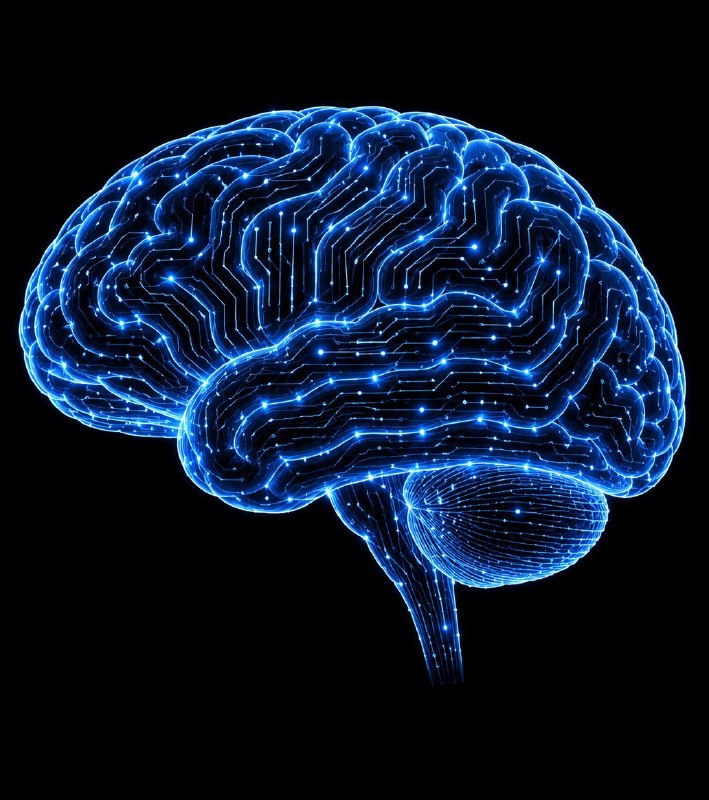
Meta has unveiled Brain2Qwerty v2, the latest version of its experimental AI system that translates brain signals into text in real time without requiring brain surgery. The new model builds on Brain2Qwerty v1, which the company introduced last year, and delivers its most accurate non-invasive brain-to-text decoding system to date.
The announcement marks another step forward in brain-computer interface research, an area that aims to help people communicate using only their brain activity. While Brain2Qwerty v2 remains a research project, Meta says the technology could eventually support people who have lost the ability to speak because of neurological conditions or severe injuries.
The Goal Behind the Research
Researchers have spent decades exploring brain-computer interfaces that allow people to communicate without speaking or typing. Many of today’s most accurate systems rely on electrodes implanted directly into the brain, making them invasive and limiting their use.
Brain2Qwerty v2 explores a different approach. Instead of requiring surgery, the system uses non-invasive brain recordings captured through magnetoencephalography (MEG), a technology that measures the tiny magnetic fields produced by brain activity. Meta says its research focuses on understanding how the brain converts thoughts into language and movement while advancing safer brain-computer interface technology.
How Brain2Qwerty v2 Works
To train the system, participants typed sentences while wearing an MEG scanner. The scanner recorded their brain activity as they pressed each key on a keyboard.
Brain2Qwerty v2 then uses deep learning to analyze those brain signals and reconstruct the text the person intended to type. According to Meta, the latest model significantly improves decoding accuracy compared with Brain2Qwerty v1 and earlier non-invasive systems, making it the company’s most advanced brain-to-text AI system so far.
Although the results are promising, the technology still depends on large, highly sensitive MEG scanners that operate inside specially shielded rooms. As a result, Brain2Qwerty v2 is currently limited to research environments and is not yet suitable for everyday use.
What’s New in Brain2Qwerty v2
Meta says Brain2Qwerty v2 introduces major improvements in both speed and accuracy over last year’s model. The new system better identifies the relationship between brain activity and keyboard movements, allowing it to reconstruct text more reliably.
Alongside the announcement, Meta released the training code for Brain2Qwerty v1 and Brain2Qwerty v2. The company also confirmed that its research partner will make the Brain2Qwerty v1 dataset publicly available, giving researchers around the world new resources to advance non-invasive brain-computer interface research.
Meta says Brain2Qwerty v2 remains a research system, but it represents continued progress in understanding how artificial intelligence can interpret brain activity and convert it into usable language.
READ ALSO: Tokenised assets now available on Paga via TBook
Google makes Gemini’s Personalized AI Image Generation free for U.S. Users
Idris Elba and Google Partner to Empower 100,000 African Creators with AI Tool
US Lifts Global Export Restrictions on Anthropic’s Claude Fable 5 AI Model