



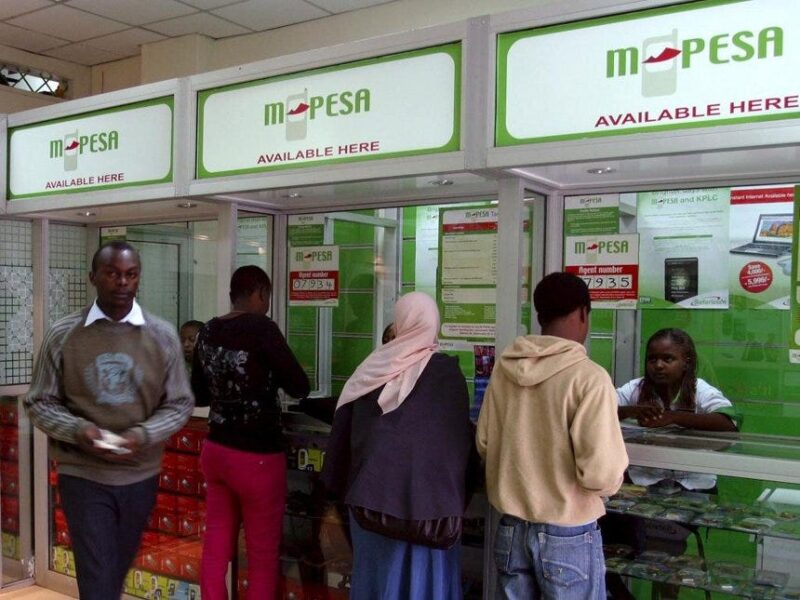
M-PESA solved the problem of moving money in Kenya. Now Safaricom says the harder problem, lending, is next.
Nearly two decades after M-PESA changed how Kenyans pay, save and transfer cash, Safaricom is turning its attention to a credit market where banks remain reluctant to lend beyond their safest, most established customers. That reluctance has pushed millions of small businesses and households toward expensive digital loans and informal shylocks charging punishing rates.
READ ALSO:WhatsApp set to introduce Usernames eliminating the need to Share Phone Numbers from july 2026
“There is pain. There is real pain,” said Peter Gichangi, Safaricom’s head of Super Apps, speaking on Voices and Visions, a podcast backed by Tutto Passa Agency and TechCabal. He said Safaricom is open to partnering with investors, including from Europe, to provide more accessible and affordable credit in the Kenyan market.
The comments point to what could become M-PESA’s next major growth area. Kenya’s lending environment has improved over the past two years, but cautiously. Following successive interest rate cuts by the Central Bank of Kenya, private sector credit growth has climbed from a contraction of 2.9 percent in January 2025 to 8.1 percent in March 2026, while average commercial lending rates have dropped to about 14.7 percent from 17.2 percent in late 2024. Even so, banks are still weighed down by bad loans, with the industry’s non performing loan ratio climbing to 15.6 percent in March, leaving lenders cautious about who they extend credit to.
Andrew Mutha, chief executive of Safaricom Money Transfer Services, said the demand for credit exists but banks often view ordinary borrowers as too risky. That leaves room for digital lenders willing to extend loans, but at steep interest rates that reflect the risk they are taking on.
At the heart of the disagreement between banks and Safaricom is not lending itself but access to financial information. Kenyan banks have traditionally assessed risk through collateral, audited accounts, employment records and long standing banking relationships, criteria that work for large companies but exclude kiosk owners, online merchants and boda boda operators who make up a huge share of the economy.
M-PESA sees this differently. With millions of daily transactions, from payments received to supplier invoices settled, salaries paid and utility bills cleared, Safaricom has built one of the richest financial datasets on consumer and business behaviour in the country. That data already powers Fuliza overdraft limits and lending products like M-Shwari and KCB M-PESA. Safaricom now wants to apply the same model to business finance.
The bet is that years of transaction history can reveal more about a business’s financial health than collateral or audited accounts ever could. If that thesis holds, M-PESA’s role would expand from payment infrastructure to credit infrastructure, a shift that is arguably harder than digitising payments ever was. Getting Kenyans to send money by phone required changing consumer habits. Getting banks and investors to rethink how they measure risk will require changing decades of lending practice.