




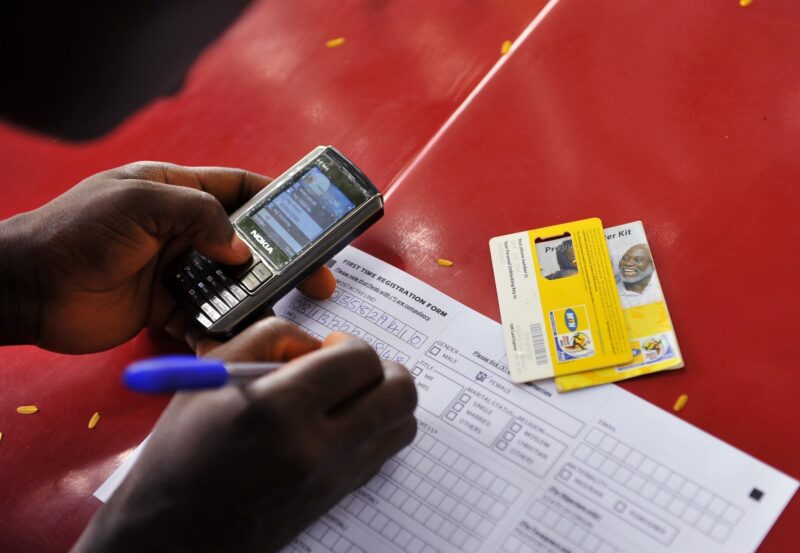
South African mobile users who go quiet on their prepaid lines for too long could find their numbers switched off and handed to someone else, under longstanding rules the Independent Communications Authority of South Africa continues to enforce as part of its broader overhaul of prepaid consumer protections.
The regulator’s number efficiency policy requires network operators to recycle prepaid numbers that show no activity for an extended period, typically around 90 days. Activity in this context covers calls, SMS, data usage or airtime top ups. Once that window lapses without any qualifying action on the line, operators can deactivate the number and eventually release it back into the pool for reassignment to a new customer.
SEE ALSO: Google Launches Nano Banana 2 Lite, A High Velocity, Low Cost Leap for AI Image Generation
Major networks have each built their own version of this rule around ICASA’s requirements. MTN runs what it calls its Pay As You Go activity system, sending a reminder once a line has gone 30 days without a chargeable action and a final warning at 85 days before deactivation kicks in five days later. Vodacom’s prepaid activity policy allows a longer runway, with lines only deleted after well over 200 consecutive days without recharges, calls, SMS or data use, though a warning message goes out roughly a month before that happens. Telkom Mobile has said it does not automatically suspend lines but does carry out manual recycling of numbers left completely dormant for 90 days, since ICASA only allocates a limited pool of numbers to each operator.
The renewed attention on this rule comes as ICASA pushes through its End User and Subscriber Service Charter Amendment Regulations, which were published in the Government Gazette and are set to take effect from January 2027. The new charter is largely aimed at forcing operators to automatically roll over unused data, voice and SMS bundles instead of letting them expire, a change consumer groups and the Economic Freedom Fighters have welcomed after years of complaints about paid-for data vanishing unused. Buried within that same framework, however, is a condition that ties the benefit directly to number activity. The rollover of bundles must happen automatically and at no cost to the subscriber, but only provided the number remains active, which puts the spotlight back on the 90 day inactivity clock that has quietly governed South African prepaid lines for over a decade.
For everyday users, the practical risk is straightforward. A prepaid number left untouched for three months, whether because a second SIM sits unused in a drawer or a person travels abroad without topping up, can be deactivated and eventually reassigned. Losing a number this way carries consequences that go beyond inconvenience. Numbers are frequently linked to banking apps, one time passcodes, social media accounts and other services that rely on SMS verification. Once a number is recycled, whoever receives it next could potentially access verification codes tied to the previous owner’s accounts if those accounts were never updated.
Consumer advocates are urging prepaid users to treat their SIM like an active account rather than a forgotten backup. Making a call, sending a text or loading airtime at least once every few months is enough to keep a line within the safety window most operators observe. Anyone unsure how long their line has been inactive can check directly with their network provider, since the exact deactivation timeline still varies slightly from one operator to the next despite ICASA’s overarching number efficiency requirement.