




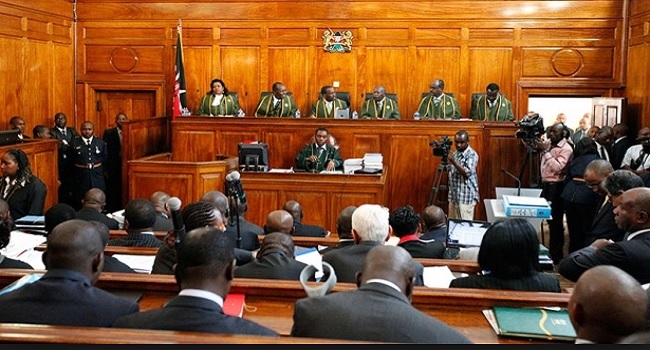
A Kenyan High Court has stopped the government from shutting down websites or blocking online platforms without first obtaining judicial approval, dealing a fresh blow to state efforts to tighten control over digital spaces in the country.
The ruling, delivered by Justice Lawrence Mugambi, suspended key sections of the Computer Misuse and Cybercrimes Amendment Act 2024, a law signed by President William Ruto in October last year. Among the frozen provisions is Section 6, which had granted authorities sweeping powers to block any website or application they considered problematic, including platforms accused of promoting illegal activity, sharing obscene content involving minors, or facilitating intimidation. The court also suspended Section 27, which criminalized posting messages that could push someone toward self harm.
The case was brought by gospel artist Reuben Kigame and Kirinyaga Woman Representative Jane Njeri, who challenged the amendments shortly after they became law. Their petitions argued that handing government agencies unchecked power to pull websites offline threatened free expression and opened the door to abuse. The court agreed that such actions cannot proceed without judicial oversight, meaning the state must now approach a judge and secure a court order before it can lawfully shut down a website or app, even where it claims the content is harmful.
SEE ALSO: M-PESA Eyes Kenya’s Lending Gap as Banks Turn Away Risky Borrowers
The suspension followed months of legal back and forth. The court initially froze the entire Act in October, a move the Attorney General and the Communications Authority of Kenya pushed back against, arguing the blanket order was too broad and stopped them from enforcing uncontested parts of the law. Lawyers representing the AG and CA said the original suspension had been granted without full disclosure and was hampering efforts to maintain online safety and pursue genuine cybercriminals. After negotiations between the parties, the court agreed to narrow its order to just the two contested sections, allowing the rest of the Act to stand while the substantive case continues.
This ruling adds to a string of recent court interventions pushing back against unchecked digital control in Kenya. Earlier in the year, a separate High Court ruling barred the government, Safaricom, and Airtel Kenya from carrying out internet shutdowns or throttling services without court approval, following a case tied to the deadly internet blackout during the Reject Finance Bill protests in June 2024. Petitioners in that case pointed to repeated disruptions, including the blocking of Telegram during national exams in 2023 and 2024, as evidence of a troubling pattern of digital overreach.
Civil society groups including the International Commission of Jurists Kenya, the Bloggers Association of Kenya, and the Kenya Union of Journalists have welcomed the string of rulings as important wins for digital rights, warning that unchecked shutdown powers could easily be misused during politically sensitive moments such as the 2027 general election.
The consolidated petitions against the Cybercrimes Act remain before the court, with the suspended sections staying frozen until the case is fully heard and determined. For now, any move by Kenyan authorities to take a website offline will need to clear a judge first.