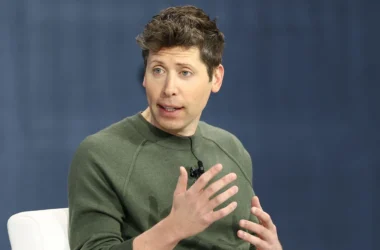




In a groundbreaking move that could fundamentally rewrite the relationship between Silicon Valley and Washington, OpenAI has proposed donating a 5% equity stake in its business to the United States government. The unprecedented proposal is part of an initiative to establish an AI-focused public sovereign wealth fund.
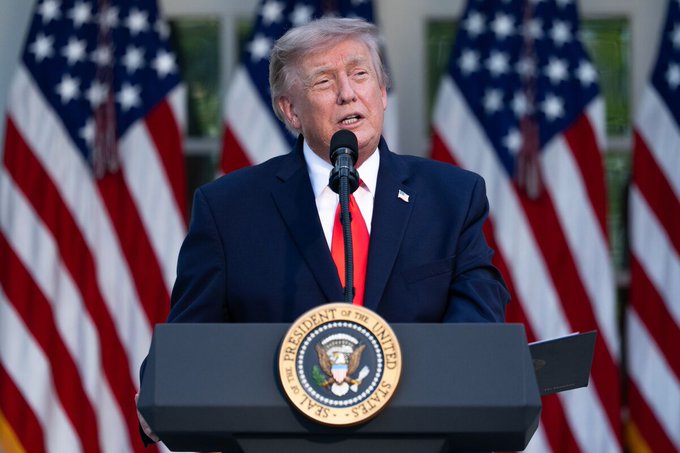
According to a Financial Times report published on July 2, 2026, OpenAI Chief Executive Officer Sam Altman has actively pitched the concept directly to top members of the Trump administration, including President Donald Trump, Commerce Secretary Howard Lutnick, and Treasury Secretary Scott Bessent.
Based on OpenAI’s record breaking $852 billion valuation achieved during its March 2026 funding round, a 5% stake would be worth approximately $42.6 billion. Rather than asking the government to buy the shares, OpenAI is proposing a voluntary donation of equity. This approach avoids a direct cash outlay from the government and sidesteps immediate regulatory hurdles regarding how the federal government can acquire equity in a private firm.
Two individuals familiar with the matter revealed that Altman is framing the move as a democratic solution to the wealth concentration expected from the artificial intelligence boom. Altman has argued that giving the public a financial interest in OpenAI is “the best way to share the upside of AI.”
The structure of the proposed fund is modeled after the Alaska Permanent Fund, which pools state oil revenues to pay annual cash dividends to residents. OpenAI envision a national “Public Wealth Fund” that would hold these equity stakes and distribute the financial dividends generated by AI directly to American citizens, including those who do not participate in traditional financial markets.
The proposal arrives at a time of escalating political friction for the AI industry. Government officials and the public have voiced growing anxieties over massive energy consumption by data centers, systemic job displacement, and critical cybersecurity vulnerabilities.
Regulatory pushback has already caused friction for top-tier labs. Both OpenAI and its primary competitor, Anthropic, have recently seen the releases of their next generation models delayed or restricted due to intense U.S. government safety and export scrutiny. Furthermore, with OpenAI preparing for a highly anticipated initial public offering (IPO) expected in 2027, securing political goodwill is a top priority.
The strategy has a recent precedent. President Trump previously backed the U.S. chipmaker Intel after the federal government secured a 10% stake in the company. In May, Trump referred to the idea of the government taking ownership stakes in tech giants as “a beautiful thing” that would turn citizens into “partners in this revolution.”
OpenAI’s proposal is not intended to be a solo effort. The company’s leadership has suggested that all of America’s premier AI developers including Google, Meta, and Anthropic should similarly allocate 5% of their equity to the public fund.
However, achieving a industry-wide consensus remains a steep climb. Anthropic has already publicly stated that it is not involved in these specific discussions, and it is entirely unclear if other tech titans would willingly hand over billions of dollars in equity.
The plan also faces pressure from Capitol Hill, where some lawmakers believe 5% does not go far enough. Democratic Senator Bernie Sanders, who has also spoken with Altman, has introduced the competing American AI Sovereign Wealth Fund Act. Sanders’ aggressive proposal demands a mandatory, one time 50% stock tax on major AI firms to seed a fund that could scale to an estimated $7 trillion, complete with government voting rights and board veto power.
While the discussions represent a major shift in public policy, officials emphasize that the talks are still in an early, “conceptual” phase. Implementing such a framework would likely require a formal act of Congress. Critics have already raised ethical concerns, noting that a government holding significant equity in the very companies it is tasked with regulating could trigger severe conflicts of interest.
OpenAI has declined to comment on the ongoing negotiations, and the White House has not yet issued an official response.