




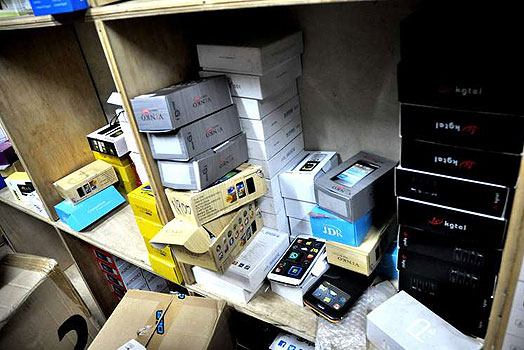
Kenya has rolled out a new licensing requirement targeting companies that import and distribute mobile phones, routers, modems and other telecom equipment, marking one of the country’s toughest moves yet against counterfeit devices flooding its market.
The Communications Authority of Kenya (CA) announced that any business seeking to import or wholesale communications equipment must now obtain a Communications Equipment Distributor Licence. The rule took effect on July 21, 2026, and applies to every player in the space, from new entrants to companies that have operated in the sector for years.
Under the directive, importers are required to confirm that every device carries a valid type approval certificate before it enters the country. They must also submit IMEI numbers for mobile devices to the Kenya Revenue Authority, a step aimed at closing tax loopholes long exploited by counterfeit dealers. Detailed invoices listing model numbers and quantities are now mandatory, and internet connected devices must meet IPv6 compliance standards.
The policy affects some of the biggest names in Kenya’s device distribution chain, including brand distributors and networking equipment suppliers that handle bulk tech provisioning across the country. Existing telecommunications equipment contractors and vendor licence holders are not exempt either. They must apply for the new licence if they intend to keep distributing communication devices legally.
Regulators say the move is designed to plug gaps that have allowed substandard and counterfeit devices to enter Kenya’s market for years, undermining both consumer safety and the integrity of the country’s telecom infrastructure. Kenya has long struggled with a flood of fake devices, with past assessments suggesting counterfeit phones account for a significant share of handsets in circulation nationwide. These devices often lack proper security certification, making them vulnerable to network interference and exposing users to data breaches.
SEE ALSO:Nigerian Government Opens Laptop, Smartphone Instalment Credit Scheme: How To Apply
Authorities note that unregulated hardware poses a risk that goes beyond faulty phones. Poorly manufactured routers and modems can compromise entire networks, creating openings for cybercriminals to exploit. By tying distribution rights to strict compliance checks, the CA is hoping to hold importers directly accountable for what reaches Kenyan consumers, rather than relying solely on enforcement after fake products are already in circulation.
The licensing push builds on years of effort by Kenyan authorities to clean up the device market. The country has previously pursued measures such as device management systems designed to detect and block counterfeit handsets from connecting to mobile networks, though those plans drew pushback from digital rights groups concerned about privacy and surveillance. This latest approach shifts the focus upstream, targeting the supply chain before devices ever reach retail shelves.
For Kenya’s growing ICT sector, the new rules signal that the era of loosely regulated device imports is coming to an end. While compliance costs may rise in the short term for distributors adjusting to the licensing requirements, officials argue the long term payoff will be a more accountable supply chain, safer devices for consumers, and a communications ecosystem better equipped to support the country’s digital ambitions.