




The International Monetary Fund (IMF) has delivered a sharp reality check for Sub Saharan Africa: before the continent can profit from the global artificial intelligence boom, it must first solve its basic power crisis.
According to a study by the fund, adopting AI could boost Sub Saharan Africa’s economy by roughly 4% over the next decade. However, that growth hinges entirely on building foundational infrastructure starting with reliable electricity. Without urgent grid upgrades, the IMF warns that Africa’s economic gain from AI could sink to a mere 0.2%.
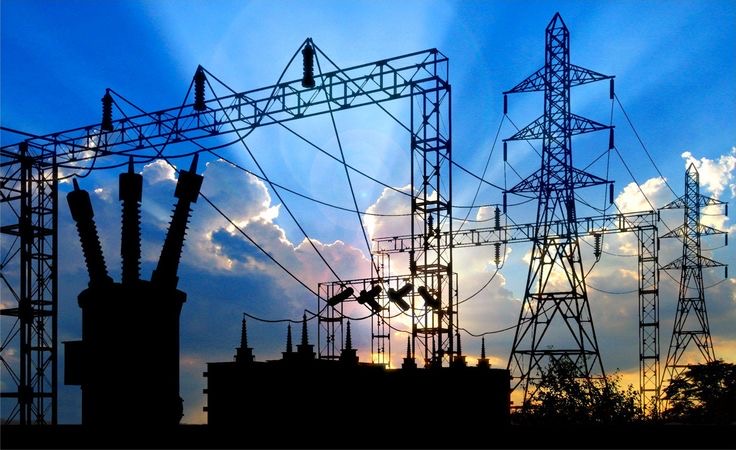
While developed nations worry about AI replacing jobs, Africa faces a far more fundamental hurdle, keeping the lights on. Half of Sub-Saharan Africa’s population still lacks reliable electricity. Because AI data centers and computing networks demand massive, uninterrupted energy, chronic blackouts are a direct roadblock to tech progress.
“It is hard to have anything without electricity,” said Andrew Tiffin, co-author of the IMF report.
However, Tiffin noted that data centers could actually incentivize energy investments by offering long term contracts that make private renewable energy projects viable.
Africa currently lags behind on the IMF’s global AI Preparedness Index, bogged down by power deficits, high data costs, and low internet penetration just 38% compared to the 68% global average. Furthermore, the continent holds only about 160 data centers worldwide, with nearly half concentrated in South Africa, Nigeria, and Kenya alone.
Martin Schindler, lead author of the report, urged governments to act swiftly to avoid missing out completely.
“Policy changes will be key to whether further growth can be unlocked from AI,” Schindler warned, noting that without structural reforms, a 0.2% economic gain is “frankly, a rounding error.”
The IMF emphasized that Africa’s top risk isn’t job disruption it is getting left behind. To bridge the gap, the fund urges governments to combine power grid upgrades with decentralized solutions like solar mini grids, ensuring tech benefits extend beyond isolated hubs.