




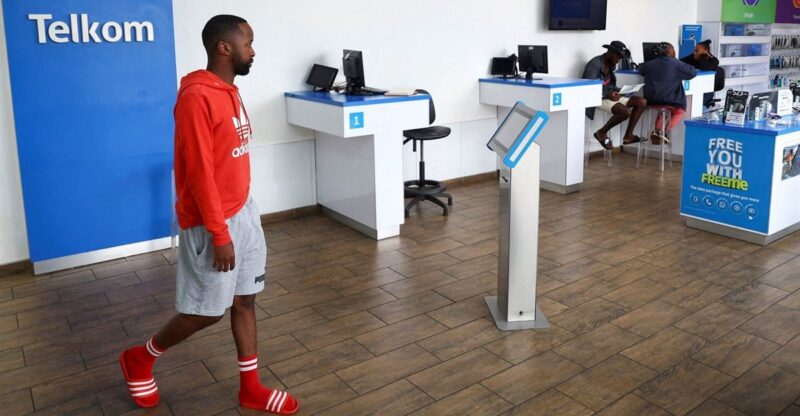
Telkom Group has reached a defining point in its transformation from a traditional phone company into a modern digital infrastructure provider, with data now generating almost two thirds of its operating revenue. The South African telecom operator’s latest trading update, covering the quarter ended June 30, shows data contributed 62.4 percent of group operating revenue, cementing a shift that has been building for years as customers move away from voice calls toward mobile broadband, fibre and cloud based services.
ALSO SEE:Airtel Africa Targets $7 Billion Revenue by 2027
The numbers tell a clear story. Mobile service revenue grew 10.2 percent, powered largely by strong demand for data. Mobile data revenue alone rose 11.4 percent, while prepaid service revenue climbed 9.1 percent on the back of new customers and higher data usage. Telkom said the results reflect continued execution against its strategic priorities, with investment in mobile, fibre and digital services driving performance even as fixed line and voice revenue continue their long, steady decline.
Artificial intelligence is also playing a growing role in how Telkom runs its consumer business. The company said AI driven customer value management tools now account for 54.6 percent of prepaid service revenue, helping the operator personalise offers and keep customers engaged. It is a sign that African telecom operators are no longer just selling connectivity, they are increasingly using data and machine learning to shape how that connectivity is sold.
Openserve, Telkom’s wholesale infrastructure arm, extended the fibre rollout that has become central to the group’s growth story. Homes passed increased 13.2 percent year on year and fibre subscribers grew 15.5 percent, reflecting sustained appetite for high speed broadband in South Africa. During the quarter, Openserve also launched its own internet service provider, a move aimed at squeezing more value out of its network assets while still keeping its open access model intact.
Not every part of the business is thriving equally. BCX, Telkom’s enterprise technology subsidiary, saw overall revenue fall 10.9 percent as businesses stayed cautious with IT budgets and hardware and software sales slowed. Still, the higher margin side of that business is where the real momentum lies. Cybersecurity revenue jumped 36.6 percent and cloud revenue rose 11.8 percent, pointing to growing enterprise demand for managed security and cloud solutions even in a tight spending environment.
Telkom’s pivot mirrors a wider pattern playing out across African telecoms. Safaricom in Kenya recently reported that its data business had overtaken voice for the first time, with connectivity revenue pulling ahead of even its dominant M Pesa mobile money arm. Across the continent, operators that once built their businesses around phone calls and SMS are repositioning themselves as digital infrastructure companies, competing on broadband speed, fibre coverage, cloud capacity and cybersecurity rather than call minutes.
For Telkom, the message from this trading update is unambiguous. The company that spent decades tied to copper telephone lines has become a business defined by mobile data, fibre and enterprise digital services. Voice and legacy fixed line offerings have not disappeared, but they are no longer what determines Telkom’s direction. As mobile broadband adoption keeps rising and businesses lean further into cloud, AI and cybersecurity, connectivity itself, not phone calls, is becoming the backbone of the digital economy Telkom is now building around.