




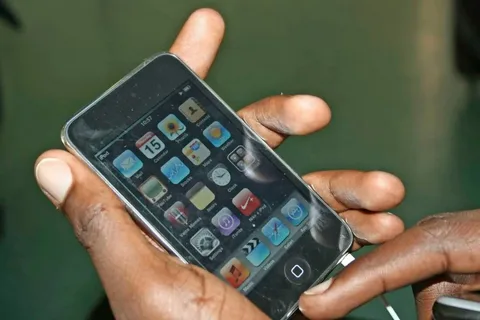
Kenya’s Finance Bill 2026, has dropped a bombshell on the country’s tech-savvy population; a proposed 25% excise duty on mobile phones used for cellular and wireless networks. If passed, analysts warn that a basic smartphone currently retailing at around KSh 10,000 could shoot past KSh 12,500 before factoring in VAT, import charges, and dealer markups. For millions of Kenyans, that’s not a minor inconvenience. That’s a locked door to the digital economy.
The tax, proposed by Treasury Cabinet Secretary John Mbadi under President William Ruto’s revenue push, is designed to collect at the point of activation rather than at import or purchase. The government’s pitch is that it simplifies a convoluted system of overlapping levies ;Import Declaration Fees, Railway Development Levies, VAT, and customs duties ,which currently pile up to a staggering 55% cumulative burden. Mbadi insists the single 25% rate is actually a reduction. “Phone prices will not go up because we have removed all the other taxes and replaced them with one single tax,” he argued, urging critics to read the actual Bill before sounding alarms.
READ ALSO :Will Apple’s Foldable iPhone Be a Success or a Flop?
But analysts and industry players aren’t buying the reassurance. M-Kopa, a leading local smartphone assembler, has already raised red flags, warning that a related VAT amendment shifting locally assembled devices from zero-rated to exempt status would raise production costs and make Kenyan-made phones less competitive against imports. Tax experts have also flagged operational confusion around who exactly bears the levy, importers, telecom operators, or distributors.
The timing could not be more awkward. Kenya had reached 48.7 million smartphones on its networks by December 2025, with mobile money penetration at a remarkable 98%. Phones are not luxury gadgets here, they are the infrastructure for banking, education, government services, and daily commerce. Slapping a new tax on them, even a consolidated one, risks pricing out low-income households precisely when digital inclusion is accelerating.
The Finance Bill 2026 is currently undergoing public participation before the National Assembly. With KSh 120 billion in new revenue targeted for the 2026/27 financial year, the pressure to push it through is real. Whether Kenya’s 40+ million smartphone users will foot that bill is the question everyone is watching.