



Africa’s relationship with fossil fuels has been complicated, marked by cycles of economic hope and disappointment. From the OPEC oil embargo of the 1970s to the dramatic price collapses of 2014-2016, the continent has experienced the boom-and-bust patterns that plague oil-dependent economies. Yet this time feels different. As we look toward 2026, a confluence of technological advancement, economic necessity, and global momentum suggests that Africa might finally be positioned to make a genuine transition toward clean energy, breaking free from the historical patterns that have kept it tethered to volatile hydrocarbon markets.
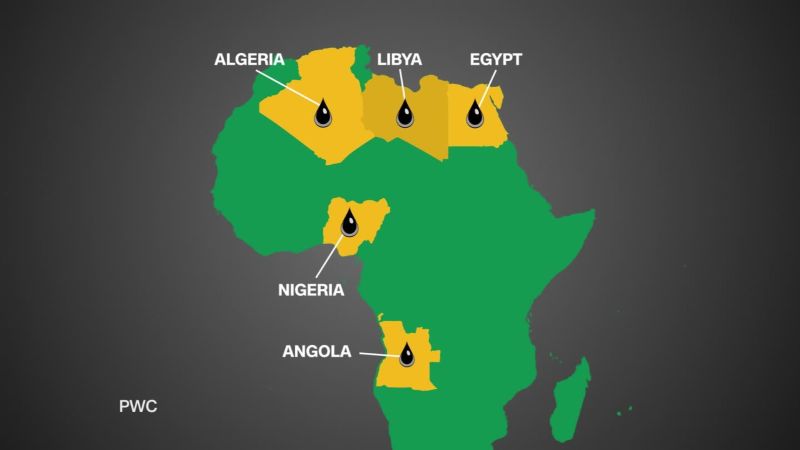
The history of oil shocks in Africa reveals a troubling pattern. When crude prices spike, governments celebrate windfalls that often disappear into corruption, inefficient infrastructure projects, or simply vanish without benefiting ordinary citizens. When prices crash, entire national budgets collapse, and the most vulnerable populations suffer most acutely. Nigeria, Angola, and other major producers have watched their petrodollars fail to translate into sustainable prosperity. This cycle has become so predictable that many African economists refer to it as the “resource curse,” a phenomenon where natural resource abundance paradoxically undermines long-term economic development.
What distinguishes the energy landscape of 2026 from previous decades is the fundamental shift in global economics and technology. Solar and wind power have become dramatically cheaper. A kilowatt-hour of solar electricity in Africa now costs less than fossil fuel alternatives in many regions, fundamentally altering the economic equation. This isn’t about environmental ethics anymore; it’s about economic survival and competitive advantage. Countries that continue investing heavily in coal, oil, and gas infrastructure are essentially betting on outdated technology becoming more valuable, which contradicts decades of market trends.
SEE ALSO:From Discovery to Destination: TikTok is now Turning Views Into Real-World Trips
Africa possesses extraordinary renewable energy potential. The continent captures more solar radiation than any other, has world-class wind corridors, particularly along coastal regions and mountain passes, and maintains vast untapped hydroelectric possibilities. Yet this potential has remained largely dormant, not because of lack of resources, but because of insufficient investment, inadequate grid infrastructure, and policy uncertainty. The coming years will determine whether this changes dramatically.
The catalyst for transformation lies in recognizing that past oil shocks didn’t create the conditions for renewable adoption because the technology wasn’t ready, and wealthy nations were still heavily invested in fossil fuels. Today, clean energy technology is mature, proven, and economically competitive. Major international financial institutions, from the World Bank to private equity firms, are increasingly willing to finance renewable projects across Africa. Simultaneously, Chinese manufacturers have made solar panels and batteries affordable at scales previously unimaginable.
Perhaps most importantly, 2026 represents a critical juncture because younger African populations demand economic opportunities that oil-dependent models cannot provide. They’re not waiting for another resource boom. They’re building tech companies, establishing startups, and creating employment pathways that require reliable, affordable electricity. These demographic realities are pushing governments toward energy solutions that actually deliver consistent power to homes and businesses.
The comparison to previous oil shocks is instructive precisely because it highlights what has changed. Oil shocks were external forces beyond Africa’s control, making the continent perpetually vulnerable. Clean energy represents something fundamentally different: a transition controlled by African nations themselves, leveraging resources they already possess. Whether Africa successfully navigates this turning point depends on sustained policy commitment, continued investment in grid modernization, and unwavering focus on making energy access universal. Unlike previous cycles, the foundation exists. The question now is whether leaders will seize this moment.