



Africa’s corporate dealmaking has been unusually busy in 2026, and while investors are busy crunching valuations, the more human question keeps surfacing , what does an acquisition actually mean for the people clocking in every day? Five major deals across the continent tell five very different stories.
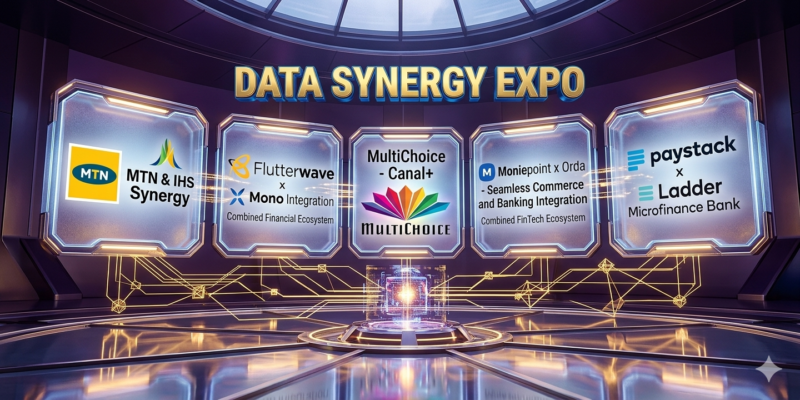
Start with Canal+’s $3.2 billion acquisition of MultiChoice, which completed in September 2025 after an 18-month process. The deal’s structure included a deliberate nod to South Africa’s local empowerment laws, building in inclusive ownership to comply with regulations that require participation from underserved populations. Job protection was baked in too, with legislation preventing mass retrenchments during the early transition phase. That said, Canal+ did introduce voluntary severance packages for employees in certain support roles and made cuts within its technology and cybersecurity units. On the growth side, the French media group is now planning to hire over 1,000 salespeople across Africa as part of a major turnaround push ,meaning net employment across the MultiChoice footprint could actually expand.
The IHS Towers situation is still unfolding. MTN’s $6.2 billion bid to acquire the tower company is expected to finalise before the end of 2026, but the employee picture is already coming into focus. IHS’s Q1 2026 earnings revealed $33.1 million in accelerated expenses covering long-term employee benefits and share-based payments, costs that were originally meant to be spread across the year but were pulled forward because the proposed merger changed expected vesting periods and triggered settlement obligations. Beyond that lump sum, MTN has committed to a 12-month salary guarantee from the date the merger takes effect, with employees receiving compensation and benefits substantially similar to their current arrangements, including equity, pension, deferred compensation, and severance. The honest caveat: there is no job guarantee once that one-year window closes.
Flutterwave’s acquisition of Mono in a deal valued between $25 million and $40 million was structured as an all-stock transaction. That means Mono founders and employees holding equity or stock options had their ownership converted into Flutterwave shares, tying their financial upside directly to Flutterwave’s long-term performance. Operationally, Mono retains its structural autonomy and continues to be governed by its existing board and leadership. Day-to-day work has not changed, but Mono’s team now sits inside one of Africa’s most valuable fintech companies, with access to global payment rails and a far larger merchant base to build against.
Moniepoint’s acquisition of Orda Africa, a cloud-based restaurant management platform, is a quieter story with a clear employee benefit: retained jobs and expanded scope. Orda’s employees were kept on to continue operating the platform, which is now being integrated into Moniebook, Moniepoint’s business management tool. The practical upside for Orda staff is the chance to build financial services products — like automated credit underwriting for food vendors, that a standalone restaurant software startup could never have developed on its own.
Finally, Paystack’s acquisition of Ladder Microfinance Bank, rebranded as Paystack Microfinance Bank, represents a different kind of employee story. Ladder staff moved into a Stripe-backed organisation with significantly more resources, a broader product mandate, and a front-row seat to Paystack’s evolution into The Stack Group, a new holding company structure that signals long-term ambition rather than a one-time transaction.
Across all the five deals, the pattern is clear: what employees gain depends almost entirely on deal structure and the acquirer’s intentions. Equity conversion, salary guarantees, job protections, and expanded career scope can all follow an acquisition ,but only when the acquirer treats integration as seriously as the deal itself.