



Africa’s internet future just got a significant upgrade, and Nigeria is right at the heart of it. French telecommunications giant Orange is leading a new consortium to build a massive undersea cable system called Via Africa , a project that could fundamentally change how Africa connects to the rest of the world. If you’ve ever dealt with sluggish internet speeds, dropped video calls, or unexplained network outages, this development is directly relevant to you.
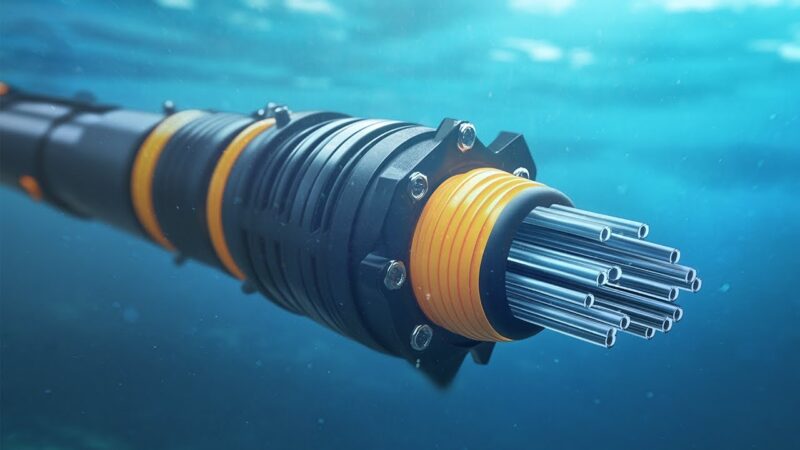
Via Africa will span more than 20,000 kilometres across the Atlantic Ocean, making it one of the longest subsea cable systems ever built to serve the African continent. The founding consortium includes Canalink, GUILAB, International Mauritania Telecom, Orange Group, Orange Côte d’Ivoire, Sonatel, and Silverlinks, all of whom have signed a Memorandum of Understanding to move the project forward. The fact that major regional telecoms are co-investing from the start signals that this is more than an ambitious announcement , there’s real commitment and capital behind it.
READ ALSO:Experts Push Telecom Policy for Jobs, Digital Growth
The cable system will connect Europe to Africa along the Atlantic coast, providing a brand-new subsea route at a time when demand for cloud services, artificial intelligence workloads, and international data traffic is growing rapidly across the continent. That timing matters. Africa is in the middle of a digital explosion, and the existing infrastructure was simply not built to handle it.
Nigeria, in particular, has long felt that strain. The country already hosts eight submarine cables , the highest number in West Africa ,yet it continues to face persistent fibre cuts, vandalism, and network congestion as internet usage surges nationwide. More cables doesn’t automatically mean better service, especially when aging systems are losing efficiency. According to Michaël Trabbia, CEO of Orange Wholesale, a cable cut or failure happens somewhere in the world every two days. Beyond ten years old, cables become far less efficient because newer systems can carry significantly more data using improved technologies. Via Africa is being designed for the traffic volumes Africa will need a decade from now, not just today.
The system will include landing points in the UK, France, and Portugal on the European end, while touching down along the Atlantic coastline at the Canary Islands, Mauritania, Senegal, Guinea, Côte d’Ivoire, and Nigeria, with extensions planned further south toward South Africa. Unlike many existing cable systems that route through the Mediterranean, Via Africa will take the Atlantic corridor, connecting West Africa directly to Europe. This creates a genuinely different data pathway ,meaning that if one route is disrupted, traffic can be rerouted without triggering a nationwide slowdown.
The consortium has also designed Via Africa as an open cable system, allowing scalable capacity to accommodate rising data traffic and giving more operators the ability to plug in. This open model typically drives more competitive pricing and broader access, benefits that eventually reach everyday consumers and small businesses, not just large telecoms.
The broader economic stakes are significant. Research shows that a 10% increase in broadband penetration can raise a country’s GDP by over one percent. For Nigeria, with its large population, booming startup scene, and massive unmet demand for reliable connectivity, Via Africa is not just a technology story , it’s an economic one. Better internet means more businesses operating digitally, more workers accessing global opportunities, and more people participating in the digital economy on their own terms.
Via Africa is still in its early stages, with a cable route study and supplier selection process yet to come. But the announcement marks a clear shift in how seriously Africa’s connectivity needs are being taken. For the millions of Nigerians and West Africans who have learned to live with buffering screens and unstable networks, that change cannot come soon enough.