


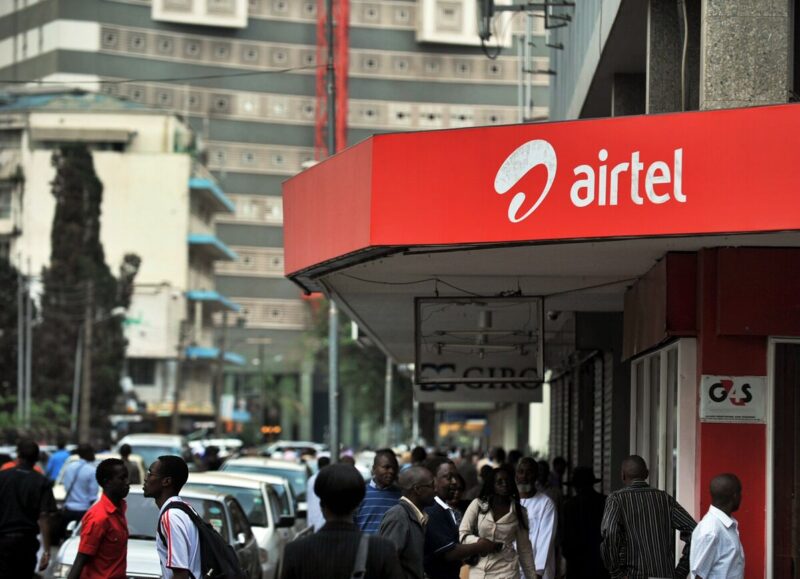
Airtel Africa is making another bold statement to its investors. The pan-African telecommunications giant has launched a brand-new share buyback programme, kicking off today, May 22, 2026, with a target of repurchasing up to 1% of its issued share capital. The opening tranche of the programme includes a non-discretionary element valued between $50 million and $60 million, plus a discretionary component that could add up to another $50 million in share purchases all managed through Barclays Capital Securities Limited.
This move comes hot on the heels of the company wrapping up its previous $100 million buyback programme, which it completed in March 2026. That earlier programme, launched in December 2024, was structured across two tranches the first returning $45 million to shareholders after the purchase of 26.3 million ordinary shares, and the second completing a further $55 million in share purchases, bringing the total to a full $100 million returned through the acquisition of 45 million shares. With that chapter now closed, Airtel Africa wastes no time rolling out the next phase of its capital return strategy.
The new programme, which began today and is expected to conclude no later than November 27, 2026, involves an agreement with Barclays Capital Securities Limited, covering a non-discretionary element for purchases between $50 million and $60 million alongside a discretionary element for up to an additional $50 million. The company has been clear about its intentions: the sole purpose of the buyback is to reduce its capital base, and as a result, all shares purchased under the programme will be cancelled.
SEE ALSO:MTN’s IHS Deal Could Reshape Connectivity in Francophone.
For those wondering why a telecom company would choose to buy and cancel its own shares rather than reinvest that cash elsewhere, the answer lies in financial strategy. When a company reduces the total number of shares in circulation, the remaining shares become more valuable each one represents a slightly larger slice of the same pie. It’s a signal to the market that management believes the company is financially healthy and that returning cash to shareholders is the right use of capital at this point in time.
The move signals confidence in the strength of Airtel Africa’s balance sheet and its capacity to return cash to investors while maintaining flexibility to fund growth across its African markets. This is important context for a company that operates across 14 countries on the continent, where infrastructure investment demands are constant and currency fluctuations can eat into reported earnings.
Airtel Africa’s ability to sustain repeated buyback programmes is grounded in a genuine financial turnaround. For the fiscal year ended March 31, 2025, the company reported a profit after tax of $328 million a dramatic 468.2% surge compared to the $89 million loss recorded in the previous fiscal year. This transformation was driven by increased data usage, strategic tariff adjustments across key markets, and rigorous cost control measures. Revenue for that same period reached $4.955 billion, growing an impressive 21.1% in constant currency terms ,a strong number, even if currency devaluations across markets like Nigeria, Malawi, and Zambia tempered the reported figure.
The initial tranche of this new programme is being executed through Barclays Capital Securities, combining a non-discretionary element of $50–60 million with a discretionary element of up to an additional $50 million. All repurchased shares will be cancelled, reducing the company’s capital base and potentially enhancing earnings per share, while leaving scope for further tranches within the shareholder-approved buyback authority. The use of Barclays as a “riskless principal”, a broker that independently executes trades on the open market before selling them to Airtel, adds a layer of transparency and ensures the company stays on the right side of securities regulations.
What makes this latest programme particularly noteworthy is its timing. Airtel Africa is also reportedly preparing for the anticipated IPO of Airtel Money, its mobile financial services arm, which has become an increasingly significant contributor to the group’s overall revenue mix. Running a share buyback programme in parallel with major strategic moves like this reflects a company confident enough in its cash generation to do both simultaneously, something that would have seemed unlikely just a couple of years ago when the business was posting losses.
From an investor standpoint, the consistency of Airtel Africa’s capital return policy deserves attention. This is now the company’s third buyback programme in a relatively short window of time, following earlier efforts in 2024 and the completed $100 million programme that wrapped up in March 2026. The programme demonstrates that African telecommunications companies can generate sufficient cash flow to simultaneously fund substantial infrastructure investment, essential for capturing market growth , while returning meaningful capital to shareholders through both buybacks and dividends.
For shareholders listed on both the London Stock Exchange and the Nigerian Exchange Group, this programme represents a continued, structured commitment to value creation. The cancellation of every repurchased share is not a temporary measure, it permanently reduces the outstanding share count, which over time supports a stronger earnings-per-share profile and a more efficient capital structure. In a market environment where telecom stocks are competing for investor attention, that kind of discipline matters.
Airtel Africa’s latest $50 million buyback programme is more than just a financial transaction. It is a statement of intent from a company that has navigated significant macroeconomic headwinds ,currency depreciation, inflationary pressures, and the growing cost of network infrastructure, and come out the other side in a stronger position. With Barclays executing trades on the open market through November 2026, investors and analysts will be watching closely to see how swiftly and smoothly this newest chapter in Airtel Africa’s capital return story unfolds.