




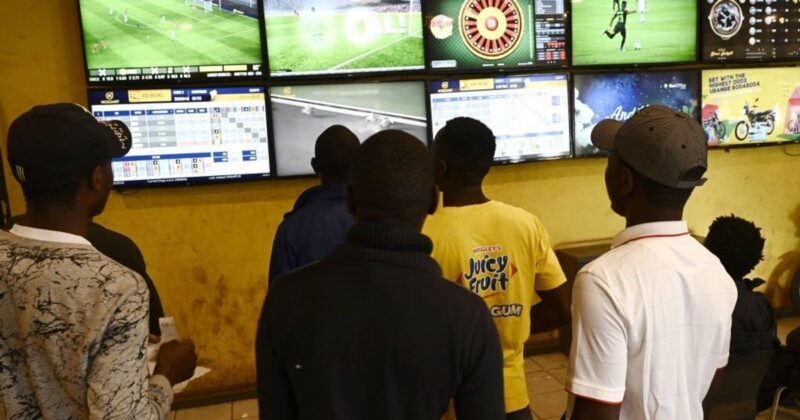
Kenya’s gambling industry is no longer just a social talking point. It has become one of the country’s most closely watched revenue streams, and the government wants to watch it even more closely.
The country’s Gambling Regulatory Authority (GRA) is now working to build a central technology platform that will connect all licensed betting operators, casinos, and lottery companies to a single monitoring system, giving regulators live visibility into transactions the moment they happen.
MUST READ:Uganda Limits Cash Withdrawals as Central Bank Accelerates Digital Payments Push
GRA Director-General Peter Karimi made the announcement while addressing delegates at the 2026 Gaming Tech Summit in Nairobi, outlining plans for a monitoring framework that would give authorities direct access to gambling transaction data across licensed operators, rather than relying on figures that companies report themselves. That shift from self-reported data to real-time oversight is at the heart of what the regulator is trying to achieve.
The timing makes sense when you look at the numbers. The gambling industry generated about KSh 33 billion in taxes during the 2024-2025 financial year, and officials expect that figure to climb to around KSh 40 billion this year as compliance measures and monitoring capabilities improve.
Separate data from the Association of Gaming Operators Kenya puts total gambling tax collections at KSh 32 billion, roughly $247 million, by the end of April 2026, painting a picture of a sector generating enormous sums at a pace that legacy oversight systems were simply not built to handle.
The planned platform is expected to operate alongside cooperation agreements involving the Communications Authority of Kenya, the Central Bank of Kenya, and the Financial Reporting Centre.
Regulators say coordinated oversight could help identify unlicensed operators and disrupt payment channels linked to illegal gambling services. In other words, the system is being designed to do more than just count money. It is meant to function as a financial intelligence tool that can flag suspicious activity before it becomes a problem.
The GRA’s push for real-time monitoring is part of a much larger regulatory transformation that has been underway since Kenya enacted the Gambling Control Act in 2025.
Under the new framework, online gambling operators are required to meet specific obligations, including identity verification during player registration and integration with the GRA’s real-time monitoring system to allow supervision of online transactions, as well as compliance with Kenya’s Data Protection Act and anti-money laundering laws.
To support the rollout of these changes, the GRA intends to recruit around 200 staff and deploy monitoring systems capable of tracking betting activity across both online platforms and land-based venues, with a focus on detecting irregular transactions and ensuring compliance with licensing conditions.
The scale of Kenya’s gambling market makes these oversight gaps genuinely costly. A comprehensive GeoPoll survey conducted in the first quarter of 2025 found that 79 percent of Kenyans participate in online betting, cementing the country’s position as a key player in Sub-Saharan Africa’s gambling industry.
With roughly 55 million people, that translates to tens of millions of active bettors, and mobile platforms like M-Pesa have made depositing and withdrawing as seamless as sending a text message. That convenience has driven volume upward at a pace that far outstripped the regulator’s ability to monitor what was flowing through the system.
Industry representatives attending the summit argued that stronger technology infrastructure can benefit compliant businesses as much as regulators.
Greater transparency, they said, may help distinguish licensed operators from illegal competitors that continue to target Kenyan consumers without meeting local requirements. The GRA has repeatedly warned that customers using unauthorized platforms have limited recourse when funds disappear or disputes arise.
Beyond the monitoring platform itself, the broader regulatory regime under the Gambling Control Act requires real-time system integration with GRA servers for live transaction monitoring, and it expands the licensing scope to include modern sectors such as gaming software provision and equipment manufacturing.
While the barriers to entry have increased, the licensing period has been extended from one to three years, offering greater long-term stability for operators who meet the requirements.
The government’s fiscal interest in gambling is also intensifying through the tax structure introduced by the Finance Act 2025.
Under that law, Kenyan bettors are subject to a five percent tax on transfers between mobile accounts and betting wallets in both directions, meaning every deposit and withdrawal involving a betting wallet is taxed regardless of betting outcomes.
The Parliamentary Budget Office projected this wallet-flow approach would lift annual betting tax collections from KSh 5.4 billion to KSh 11.4 billion.
For now, implementation timelines for the central monitoring platform have not been formally announced. But the direction of travel is clear.
Kenya is moving deliberately toward a model where the government has direct, automated visibility into every shilling flowing through the licensed gambling industry, leaving far less room for underreporting, unauthorized operators, or suspicious transactions to go undetected.
For a sector that has grown from a cultural habit into a billion-shilling revenue machine, the era of light-touch oversight appears to be over.