




A lingering deadlock has quietly stifled countless online transactions across Africa’s largest economy. It is the deep-seated skepticism between digital merchants and online consumers. In response to this friction, a new digital platform has launched with an unconventional blueprint to fix Nigerian e-commerce’s foundational problem: trust.
EscrowPay, which officially commenced operations on June 26, 2026, is a WhatsApp native escrow service tailored specifically for Nigerian buyers and sellers. Rather than building another standalone application or a complex website, the fintech startup operates through the WhatsApp Business API positioning itself precisely where daily digital commerce in Nigeria already takes place.
The service functions by holding a buyer’s payment securely until an order is successfully delivered and verified, then releasing the funds to the vendor. The mechanism completely eliminates the risky requirement for either party to trust the other upfront.
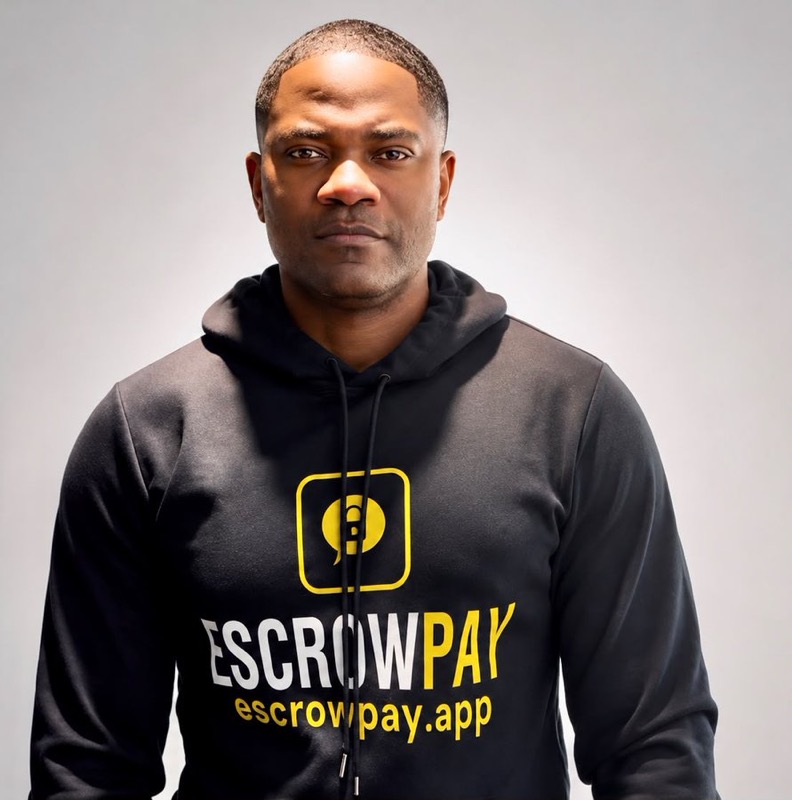
“EscrowPay doesn’t process goods, and it doesn’t process payments. It processes trust,” says Toye Akinwale, the founder and Chief Executive Officer of EscrowPay.
The spark for the startup emerged from Akinwale’s personal experience when he ordered a gift for his mother from an online vendor. After two weeks of silence, he discovered the item had never arrived, and the merchant had become entirely unresponsive. Shocked by how pervasive this predatory pattern was across the country, Akinwale noted, “That was the moment a long held idea turned into something I had to build.”
Historically, major e-commerce pioneers in Nigeria relied heavily on “Pay on Delivery” (PoD) to assuage the fears of wary consumers. However, PoD created an asymmetric burden, forcing sellers to absorb the financial losses of rejected parcels, failed deliveries, and the administrative cost of chasing elusive payments. Conversely, when buyers paid upfront, they essentially gambled on whether the delivered product would match their specifications, or if it would arrive at all.
To bridge this structural gap, EscrowPay operates on a few stringent operational pillars designed to enforce accountability. Every buyer and seller on the platform must verify their identity using their National Identification Number (NIN). This is executed through a partnership with Prembly, a prominent player in Africa’s trust infrastructure, effectively stripping away the anonymity that digital scammers rely upon.
Furthermore, to insulate consumer capital, the startup does not store user money directly. Buyer payments sit in a designated account with Rubies Microfinance Bank, a Central Bank of Nigeria (CBN) licensed financial institution, where they remain until the transaction is completed.
Once an item is successfully dispatched and received, the buyer is granted a strict 48 hour window to inspect the goods and confirm receipt within the WhatsApp interface. If verified, the seller is paid immediately. If the buyer takes no action within those 48 hours, the system automatically triggers the release of the funds.
“The governing principle,” Akinwale emphasizes, “is that no party should ever hold both the goods and the cash.”
In cases where a buyer raises a formal dispute, EscrowPay freezes the money and shifts the resolution to objective facts relying on delivery trails and verified courier logs rather than one side’s word against the other’s. Looking ahead, Akinwale’s vision targets systemic change. He stated that his ultimate ambition is for EscrowPay “to become the default trust layer for online trade in Nigeria, the stage buyers and sellers reach for whenever they do not already know each other.”