


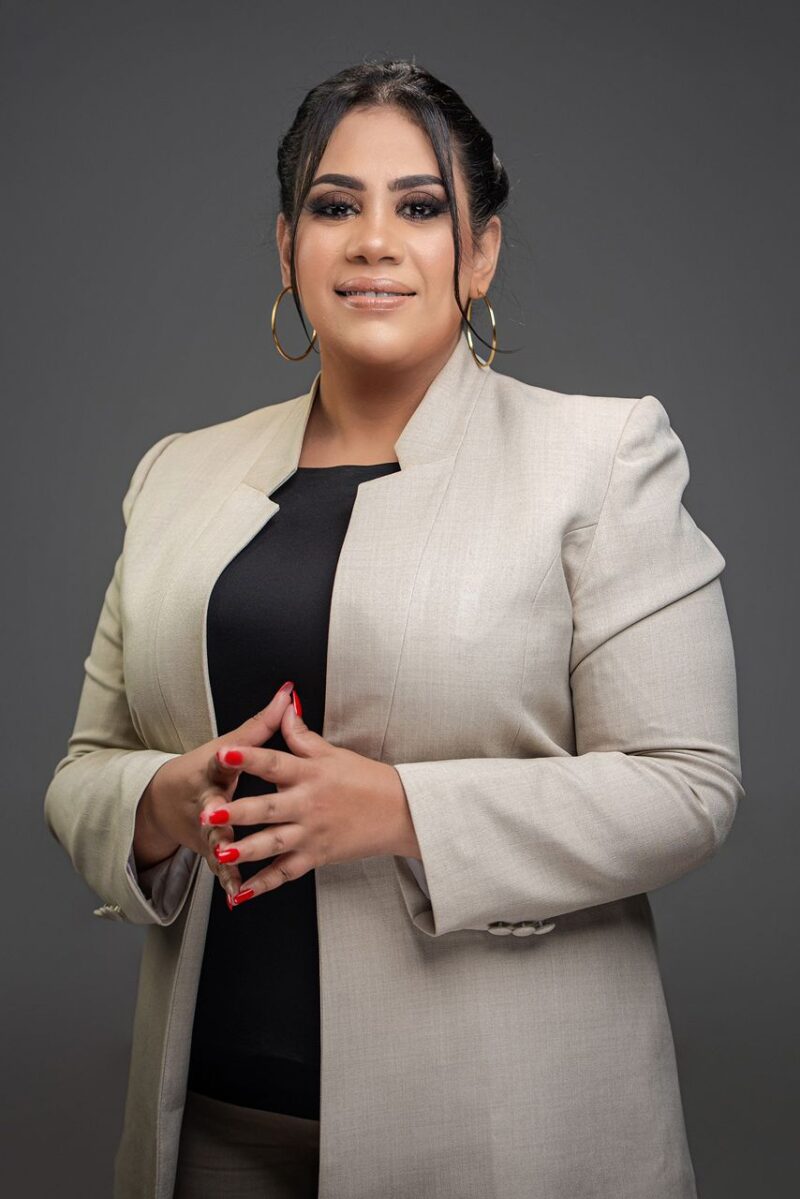
Alaa Salih Hamadto left dentistry in 2014 to build a solar food drying business with her father’s decades-old technology. Her relatives called it a waste of her education. Twelve years later, that decision has made her one of the most talked about founders to emerge from Sudan’s ongoing civil war, a woman her community now calls Alaa the Brave.
Hamadto is the founder and CEO of SolarFoods, an agritech startup that uses solar powered dryers to preserve fruits and vegetables for smallholder farmers across Sudan. When war broke out in April 2023, she fled to Cairo with her three daughters. Five months later, she went back, travelling through active conflict zones, at times for 36 hours without food or water, to reach her factory in Khartoum North. She found the roof torn off, the machinery stolen, and even the electric cables and transformer gone.
READ ALSO:WhatsApp new Usernames feature Are Already Raising Impersonation Risks
Rather than abandon the business, Hamadto relocated operations to Kassala, near Sudan’s border with Eritrea, choosing the location for its relative safety, lower living costs, and proximity to raw materials and the NGOs that buy her dryers. She now runs the company from between Sudan and Cairo, splitting her time to stay close to the business while keeping an eye on technology developments elsewhere.
Her drive traces back to her father, a scientist who returned to Sudan from the UK in the 1980s to develop solar drying technology, only to spend three decades watching most of his trained students leave the country for good. Hamadto joined his research and development work in 2014, funding early experiments by selling her own gold, before pivoting the technology toward commercial food processing. Her products, sold through cooperatives and on platforms like Amazon, now serve both retail and wholesale markets.
Being a female founder in Sudan has brought its own resistance. Hamadto says landlords have refused to lease her land, banks have hesitated to extend credit, and colleagues have questioned why a woman would take on such physical risk. She pushes back against the idea that her choices are reckless, insisting her motivation has never been financial gain but a responsibility to the farmers and communities who depend on her work.
Hamadto describes running SolarFoods amid war as a daily test of survival, admitting she often does not know from month to month whether the business will make it. Still, she says she has no regrets about walking away from a stable dental career, calling it the best decision she has made. She believes Sudan’s dry food industry could become a continental hub within the next decade, and that the country’s current upheaval, painful as it is, may push a new generation of Sudanese to bring home lessons learned abroad and rebuild differently.