




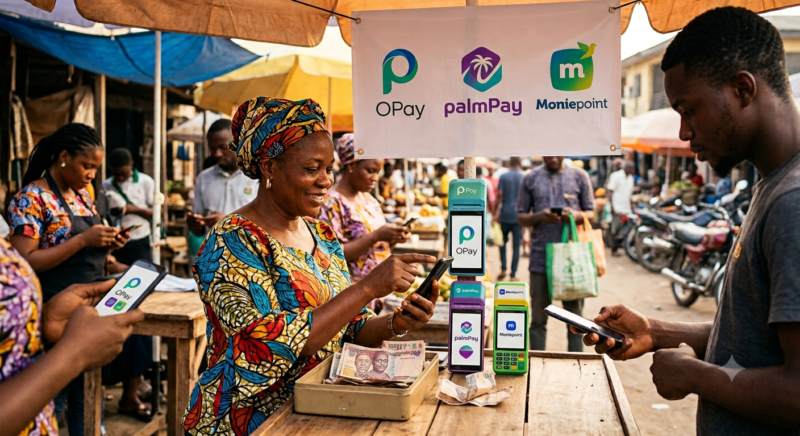
Nigeria’s ₦100 and ₦200 notes are becoming harder to find. And the Central Bank of Nigeria says fintech is a big part of the reason why.
ALSO READ ABOUT:OPay’s Nigerian Success Story, 46 Million Users and a Global Expansion Ambition
CBN Governor Olayemi Cardoso spoke on Tuesday after the 306th Monetary Policy Committee meeting in Abuja. He said the scarcity is not deliberate. Both notes are still legal tender. So Nigerians should keep accepting them.
According to Cardoso, the explanation is simple. More Nigerians now use mobile money apps, bank transfers, and POS terminals for everyday payments. As a result, fewer people reach for ₦100 or ₦200 notes to pay for things. So there is less need to print and circulate them.
“As more people adopt digital payment channels, the demand for coins and lower-denomination notes naturally declines,” Cardoso said. “If there is less demand for them, there is less need to print and circulate them in large quantities.”
This trend ties into the CBN’s financial inclusion agenda. Fintech companies have made digital payments cheap and easy to access. Today, many Nigerians can pay with an app, a USSD code, or an agent banking outlet instead of cash. Because of this, physical cash is playing a smaller role in daily transactions.
But fintech is not the only factor. Cardoso also pointed to inflation. Years of currency devaluation have weakened what ₦100 and ₦200 can actually buy. As a result, the notes are less useful than before. And that gives people less reason to hold onto them.
“Of course, we must also acknowledge that currency devaluation has affected the purchasing power of lower-value notes. That is a reality,” he said.
Other issues are likely playing a role too. These include faster wear and tear on small notes and ongoing gaps in how cash is distributed nationwide. So fintech adoption looks like one driver among several, not the only cause.
Cardoso also referenced the CBN’s Payments System Vision 2028. This plan sets bold targets for financial inclusion and digital payments, including wider use of the eNaira. He called Nigeria’s shift toward a cashless economy inevitable. And he framed it as part of a global trend, not a local experiment.
Still, the shift has not been easy for everyone. Nigeria has over 200 million people, and access to smartphones and reliable internet varies widely. In rural or underserved areas, cash remains essential for daily life. So the growing scarcity of small notes could create real friction for these communities, even as digital payments grow elsewhere.
For now, the CBN’s message is clear. The ₦100 and ₦200 notes have not been withdrawn. Businesses should not refuse them. Their reduced visibility reflects a shift in habits, not a change in policy. And as fintech adoption keeps rising, that shift is likely to continue.