



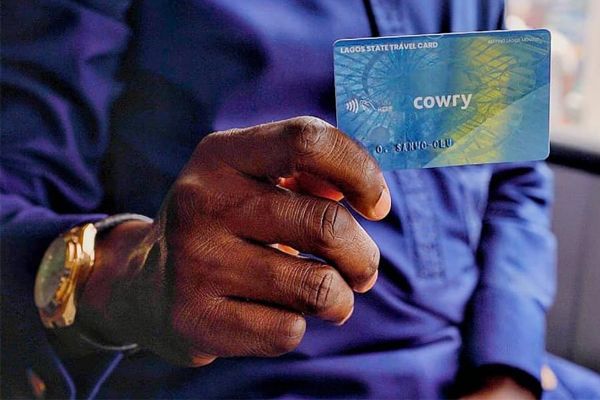
Lagosians have completed more than 19 million trips using the Cowry Card since January 2026. Touch and Pay Technologies shared this number. The company runs the Cowry Card infrastructure. Olamide Afolabi, the company’s Managing Director, revealed the figure during a LAMATA X Space session. That session was held to address public concerns about Lagos State’s cashless transit policy.
SEE ALSO:CBN Explains Why Fintech Is Reducing ₦100, ₦200 Notes
This number matters a lot. It shows that the system already works at scale. Millions of Lagosians use the card every single day. It is not an experiment anymore. It is simply how people pay for transport in Lagos. This context is important right now. Lagos State is about to enforce its strictest cashless transit rule yet.
Starting August 1, cash will no longer work on public transport. This applies to Bus Rapid Transit, the Bus Reform Initiative, and Lagos Rail Mass Transit services. So commuters who try to pay with cash could face arrest. They could also face prosecution. This directive does not bring new technology. Instead, it simply makes an existing system mandatory. It also removes cash as an option completely.
For many Lagosians, this change will not be hard. The Cowry Card has been part of daily commuting since 2020. That was when Touch and Pay first launched it on BRT buses. Since then, more and more people have adopted it. Earlier company data showed the card processed hundreds of thousands of trip payments daily. It also had millions of registered users across Lagos. Today, the card is required for the Lagos Blue Line rail service too. It works across BRT buses, Red Line rail, and LAGFERRY water transport.
But for commuters still paying with cash, time is running out. Cards can be bought and topped up easily. Commuters can visit BRT terminals or select agent locations. They can also use self-service kiosks or the Cowry app directly. However, LAMATA has not announced any grace period yet. This means the August 1 deadline will likely apply right away.
The 19 million trip milestone gives LAMATA a strong case for enforcement. It shows the infrastructure is ready. It also shows that adoption is already high. So the remaining holdouts are a shrinking group. Still, some questions remain unanswered. How will enforcement work for occasional riders? What happens to visitors unfamiliar with the system? And what about commuters facing card issues while boarding?
One thing is clear though. Lagos is moving fast toward a fully cashless transport system. The Cowry Card sits right at the center of this shift. Whether the transition goes smoothly will depend on two things. First, how well the state communicates the deadline. Second, how easy card registration remains in the coming days.