



When tech giants build smart glasses, they usually focus on battery life, weight, and screen quality. But as Apple prepares its long-rumored entry into the market, the company is confronting a much trickier obstacle: public distrust over privacy.
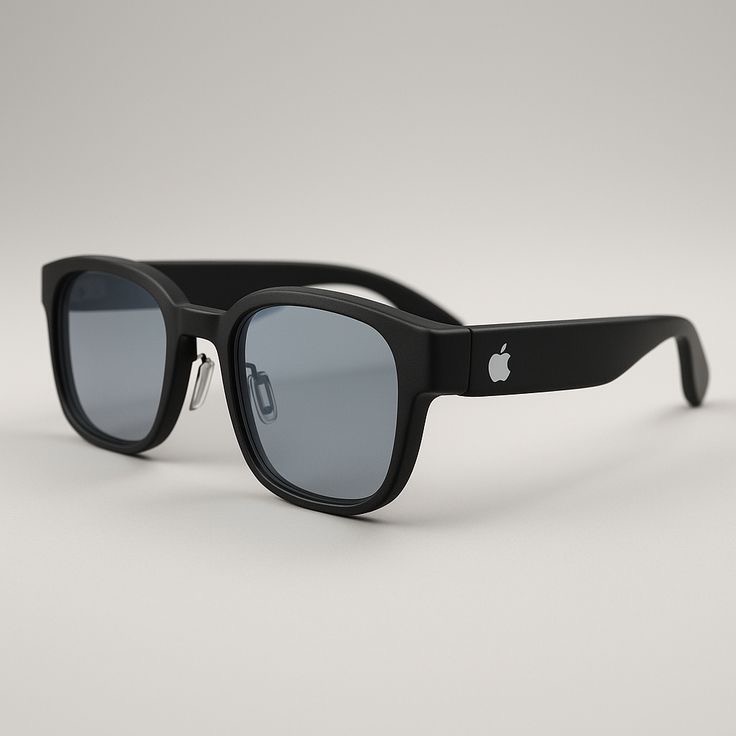
According to industry reports, Apple’s upcoming smart glasses internally codenamed N50 have seen their timeline pushed back to a planned unveiling at WWDC in June 2027. The delay isn’t just about perfecting the hardware; it is a dedicated effort to solve a design dilemma that has haunted wearables for a decade: Can you put cameras and AI on a person’s face without turning them into a privacy threat?
Meta’s popular Ray Ban smart glasses proved there is a market for smart frames, but they also reignited public anxiety around surveillance. Reports of users taped-over recording lights and stealth filming in sensitive venues created a wave of consumer skepticism.
For Apple, which has positioned privacy as a core brand promise for over a decade, launching a product labeled “spy glasses” by critics could ruin consumer trust built across millions of iPhones.
“Apple has spent years selling privacy as its defining principle,” noted industry analysts following the shift. “It makes complete sense that they are being extra cautious before stepping into a product category where the bystander not just the buyer is at risk.”
To reassure both wearers and bystanders, Apple’s engineering teams are reportedly testing radical safeguards:
Camera Free Frames: Exploring a display and audio only model with no lenses, removing surveillance concerns entirely.
Visual Intelligence Only: Cameras that analyze context like reading a menu or identifying a landmark to feed Siri real-time info, but cannot record or save photos and videos.
Tamper Proof Hardware: Outward facing LED recording lights built so that if a user covers or tampers with the light, the camera hardware instantly shuts down.
On-Device AI: Processing visual and audio data locally on the device rather than sending feeds to cloud servers.
Ultimately, Apple’s biggest hurdle isn’t just technology; it is social comfort. When someone walks into a gym, restaurant, or classroom wearing camera equipped frames, a silent social boundary is crossed.
By taking extra time to refine both its hardware and privacy controls, Cupertino is betting that the winner of the smart glasses race won’t be the first company to market, it will be the one that makes the public feel safe