




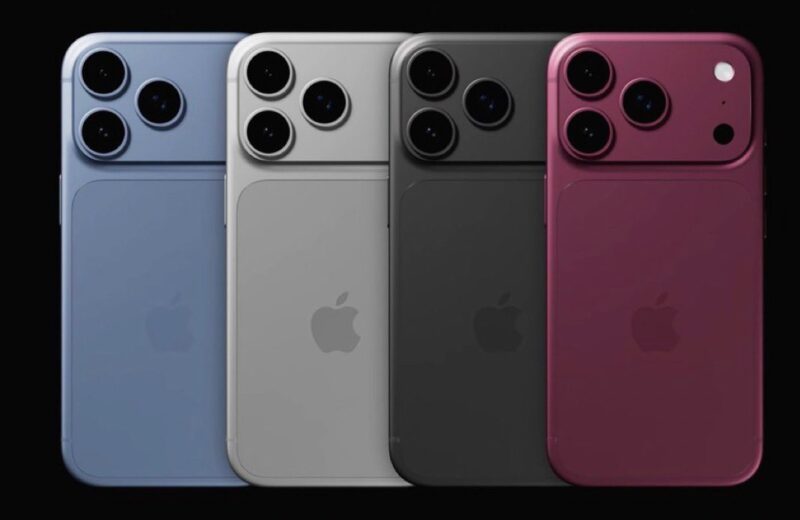
Apple is ending its iPhone Upgrade Program and iPhone Payments plans for new customers in the United States, replacing them with a new device leasing service called Apple Upgrade.
The move marks a shift in how customers access Apple’s hardware. Instead of traditional financing options, Apple is introducing a leasing model backed by Klarna. The new program also expands beyond iPhones to include devices such as Macs, iPads and Apple Watches.
Understanding Apple’s Previous Programs
Before the change, Apple offered two main ways for customers to spread the cost of an iPhone.
The iPhone Upgrade Program, introduced in 2015, allowed customers to finance an iPhone over 24 months while receiving AppleCare+ coverage. Its main appeal was the ability to upgrade to a newer iPhone after making 12 monthly payments and trading in the current device.
The program targeted customers who wanted the latest iPhone without paying the full price upfront.
Meanwhile, iPhone Payments worked as a traditional installment plan. Customers could divide the cost of an iPhone into monthly payments and own the device after completing the repayment period.
Unlike the Upgrade Program, iPhone Payments did not focus on annual upgrades. It was designed for customers who wanted a simpler way to spread the cost of buying an iPhone.
What Is Changing With Apple Upgrade?
Apple is replacing these options with Apple Upgrade, a leasing-based program that changes how customers access its devices.
Instead of financing a purchase, customers lease eligible Apple products through Klarna. Depending on the agreement, customers can upgrade, return or purchase their devices at the end of the lease period.
The program also expands beyond iPhones. Apple Upgrade will support products across the company’s ecosystem, including Macs, iPads and Apple Watches.
Existing iPhone Upgrade Program customers will continue under their current agreements. When their plans end, they will have access to available options, including switching to Apple Upgrade or using other purchase methods.
Apple Upgrade vs Previous Apple Financing Programs
The biggest difference between the old programs and Apple Upgrade is the move from financing ownership to leasing access.
| Feature | iPhone Upgrade Program | iPhone Payments | Apple Upgrade |
|---|---|---|---|
| Model | Financing with upgrade option | Traditional installment financing | Leasing model |
| Main purpose | Regular iPhone upgrades | Spread the cost of buying an iPhone | Flexible access to Apple devices |
| Ownership | Customer works toward ownership | Customer owns device after payments | Depends on lease terms |
| Upgrade option | Available after 12 payments | Not designed around upgrades | Built around flexible upgrades |
| Eligible devices | iPhone | iPhone | iPhone, Mac, iPad and Apple Watch |
| Partner | Apple | Apple | Klarna-backed |
The comparison highlights Apple’s changing approach. The previous programs focused on helping customers purchase iPhones over time. Apple Upgrade shifts the focus toward continued access to newer devices across the company’s product lineup.
What the Change Means for Customers
Customers who upgrade devices frequently may find the new leasing model appealing, especially with support for multiple Apple products. The broader device coverage could make it easier for users to manage upgrades across Apple’s ecosystem.
However, customers who prefer keeping their devices for several years may compare Apple Upgrade with traditional purchasing options. Ownership remains an important factor for buyers who want to keep their devices after completing payments.
The change does not remove all payment options for Apple customers. Users can still explore other purchasing and financing methods available through Apple and its partners.
Apple’s Changing Hardware Strategy
Apple’s move reflects a wider shift in consumer technology, where companies are exploring leasing, subscriptions and recurring payment models.
As device prices increase and upgrade cycles become longer, technology companies are looking for new ways to keep customers connected to their ecosystems.
By replacing its older financing programs with Apple Upgrade, Apple is moving toward a model focused less on individual device ownership and more on long-term customer relationships across its hardware lineup.
READ ALSO: Meta and BlackRock Partner on $14 Billion AI Data Center Venture to Expand AI Infrastructure
No More “Send Me a Landmark”: Maiaddy Is Transforming How Nigerians Find Locations Digitally.