



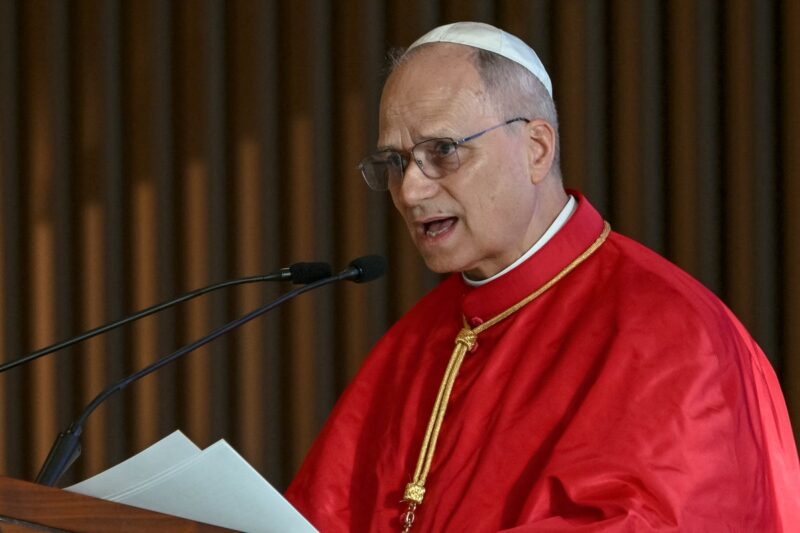
Pope Leo has issued a significant call for stricter artificial intelligence regulation, emphasizing a critical flaw in current AI systems: they do not truly understand what they produce. The statement marks a major intervention from the Vatican on one of technology’s most pressing issues.
In his latest comments on artificial intelligence, the Pope underscored that AI systems operate fundamentally as pattern-recognition machines rather than thinking entities. These systems process vast amounts of data and generate outputs based on statistical probability, yet lacks genuine comprehension of context, intention, or consequence. This distinction, the Pope argued, makes robust regulatory frameworks essential.
“Artificial Intelligence do not understand what they produce,” the Pope stated, highlighting the dangers of deploying these systems at scale without adequate oversight. The concern centers on how AI-generated content, from medical guidance to hiring decisions to information that reaches millions, operates without conscious intention or accountability mechanisms.
ALSO READ:US Space Force Awards SpaceX $2.29 Billion Contract to Build Military Network In Space
Industry analysts and technology experts have increasingly aligned with this perspective. When AI systems generate harmful content, spread misinformation, or produce biased outcomes, responsibility becomes diffuse. Unlike human actors, these systems cannot be held accountable for intent, yet their impact is measurable and significant.
The Vatican’s position reflects growing international concern about AI deployment speed outpacing governance structures. Current regulatory frameworks remain fragmented, with significant variations between jurisdictions. The Pope’s intervention suggests momentum building toward standardized global approaches to artificial intelligence oversight.
Key areas Pope Leo emphasized include transparency requirements around AI use, clear standards defining acceptable and unacceptable system applications, and consequences for companies deploying AI systems without proper safeguards. Medical diagnosis, legal analysis, hiring screening, and content generation all face heightened scrutiny under proposed regulatory models.
Tech companies and AI developers have largely welcomed regulatory dialogue, though debate continues regarding specific implementation approaches. Some argue regulation should focus on high-risk applications, while others propose broader oversight mechanisms.
The statement also addresses a fundamental misconception in public discourse. Many stakeholders treat AI outputs as if they originated from conscious, knowledgeable sources. This false attribution compounds risks when such outputs influence critical decisions affecting human welfare.
International regulatory bodies are currently examining these challenges. The European Union’s AI Act represents one comprehensive approach, establishing categorical risk levels for different AI applications. Other nations are developing parallel frameworks, though coordination remains incomplete.
For comprehensive analysis of how AI regulation is shaping the technology sector globally, site tech next24 provides detailed coverage of regulatory developments, industry responses, and technical implementation requirements.
Pope Leo’s intervention underscores that artificial intelligence governance represents not an anti-innovation stance but a pro-safety position. The debate now centers on identifying effective regulatory mechanisms that balance technological advancement with human protection and accountability structures.