



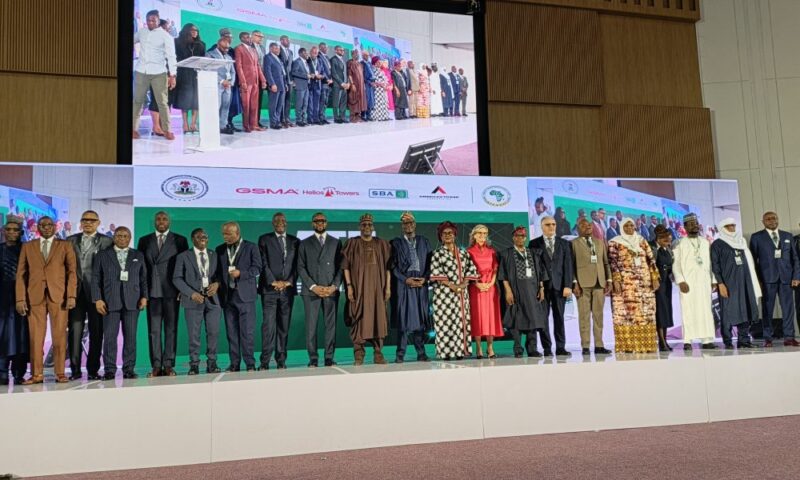
Nigeria has unveiled a continental artificial intelligence initiative that could reshape how AI develops across Africa. The country used its hosting of a major telecom summit in Abuja to make the announcement. It also secured a new leadership role for the years ahead.
The Minister of Communications, Innovation and Digital Economy, Dr Bosun Tijani, launched the ATLAS Network on the opening day. The event was the 7th Ordinary Session of the Conference of Plenipotentiaries of the African Telecommunications Union. The initiative builds on Nigeria’s existing N ATLAS project. That project is the country’s own open source large language model. It debuted at the United Nations General Assembly last year. Tijani called ATLAS a shared platform. It brings together governments, researchers, innovators, academia and development partners. Together, they aim to build AI models grounded in African languages, cultures and knowledge systems.
ALSO READ:TikTok Deletes 4.8 Million Nigerian Videos in Q1 2026 as AI Moderation Intensifies
Tijani spoke to delegates from across the continent. He called on every member state of the African Telecommunications Union to join the initiative. He argued that collaboration is essential. Without it, Africa risks staying a passive consumer of technology built elsewhere. Instead, he wants the continent to become an active contributor to global AI development. He pointed to Africa’s youthful population and growing digital ecosystem. Both, he said, put the continent in a strong position to shape the next phase of the AI race on its own terms.
The announcement landed alongside several major decisions. Together, these will guide the union’s work through 2031. First, Nigeria formally took over the chairmanship of the Conference of Plenipotentiaries from Algeria. This puts the country in charge of steering Abuja’s outcomes over the next institutional cycle. Next, delegates elected 25 member states to the ATU Administrative Council. They also voted in a new Secretary General after four rounds of balloting. Engr. Kezias Kazuba Mwale of Zambia won the seat. He secured 21 of the 34 votes cast in the final round. He is set to begin a four year term on January 1, 2027.
The conference also produced the 2026 Abuja Declaration on Meaningful Connectivity. Member states signed on to several commitments. These include technology neutral regulation and wider access to spectrum and fibre infrastructure. They also cover stronger cybersecurity and consumer protection. In addition, the declaration targets affordability and digital literacy. It focuses on women, young people, people with disabilities and underserved communities. Vice President Kashim Shettima was represented at the event by Senator Ibrahim Hadeija. He used the occasion to press for a unified African position. This matters ahead of the 2026 International Telecommunication Union Plenipotentiary Conference in Doha. Major decisions on global telecommunications and digital governance will be made there.
Meanwhile, the GSMA, the global body representing mobile network operators, endorsed the Abuja Declaration. It also joined Nigeria, Togo, Kenya, Namibia and Benin in launching a related initiative. The project is called ATLAS Umoja AI. Organisations like Awarri, Zindi, Pawa AI and Mozisha are part of the coalition too. Officials say the project will help governments, industry players and researchers share data, tools and expertise. The goal is AI that better reflects African languages and priorities. This, they believe, will help close the continent’s digital usage gap. It does so by making AI and other digital services available in the languages people actually speak every day.
Overall, delegates praised Nigeria for hosting the gathering. Several described it as a moment that strengthened cooperation among African nations. It also reaffirmed a shared commitment to digital transformation. So, with the chairmanship now in Nigeria’s hands, attention turns to what comes next. A new Secretary General is set to take office at the start of 2027. Many will be watching how quickly the ATLAS Network and the Abuja Declaration translate into real progress on the ground.