



Google has expanded its hardware lineup with the launch of the Pixel 11 series, a new Pixel Watch and its first ever Bluetooth tracking device, marking a significant push to strengthen its connected to device ecosystem.
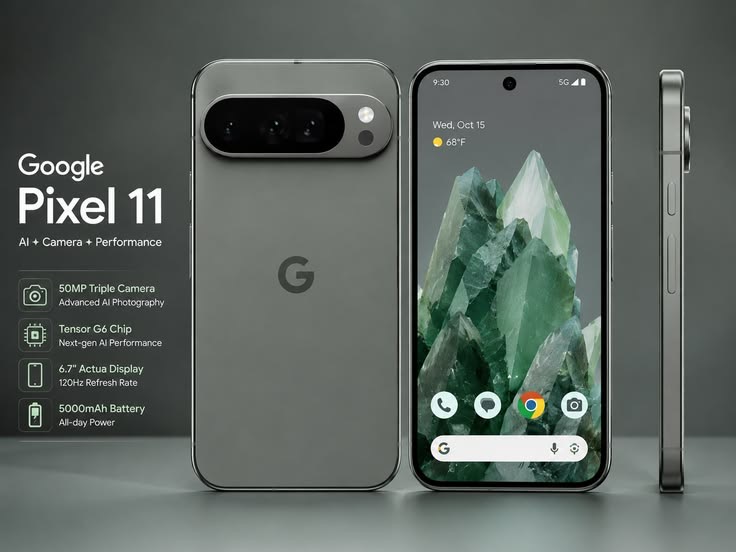
Google unveiled the new products at its annual Made by Google event on August 12, introducing the Pixel 11, Pixel 11 Pro, Pixel 11 Pro XL and Pixel 11 Pro Fold alongside the Pixel Watch 5 and the new Pixel Tag.
The new smartphones are designed around Google’s growing focus on artificial intelligence, with the company positioning the Pixel 11 family as devices built for what it calls “Gemini Intelligence.” Google says the phones feature improved durability and significant camera upgrades designed to help users capture and edit moments in more personalized ways.
The biggest surprise, however, may be the Pixel Tag, Google’s first dedicated Bluetooth tracker. The device enters a market dominated by products such as Apple’s AirTag and Samsung’s SmartTag, giving Android users a tracking option built directly into Google’s hardware ecosystem.
According to Google, the Pixel Tag works with its Find Hub network, allowing users to locate items such as keys, wallets and luggage. The tracker can also be attached to everyday belongings using compatible accessories. Forbes Vetted reported that the device is scheduled to become available in September.
The move is strategically important for Google because it extends the company’s hardware ecosystem beyond smartphones, watches and earbuds into everyday personal tracking. The Pixel Tag can potentially make Google’s Find Hub network more useful as more Android devices participate in locating lost items.
The new Pixel lineup also includes Google’s latest foldable flagship, the Pixel 11 Pro Fold, giving the company another opportunity to compete in the increasingly competitive premium smartphone and foldable markets.
With the Pixel 11 family, Pixel Watch 5 and Pixel Tag arriving together, Google’s latest hardware launch represents more than a routine smartphone refresh. It signals a broader strategy: building a tightly connected ecosystem in which Google’s artificial intelligence, mobile devices and everyday accessories work together.
The Pixel Tag, in particular, could prove to be one of the company’s most consequential new accessories as Google takes its first serious step into a product category that has become increasingly popular among consumers seeking a simple way to keep track of their belongings.