


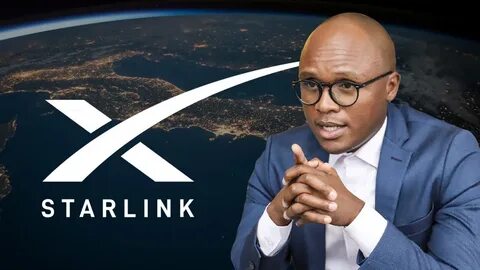
Starlink wants South Africa to relax its ownership rules. These rules have kept the company locked out of the country for years. Starlink made its case at a hybrid stakeholder meeting on draft changes to South Africa’s Radio Frequency Spectrum Regulations of 2015.
The meeting ran from Wednesday to Thursday. It gave SpaceX, Starlink’s parent company, a rare chance to speak directly to regulators.
Ryan Goodnight represented SpaceX. He holds the title of senior director for market access and development. During the meeting, he urged the Independent Communications Authority of South Africa, known as ICASA, to fix a clash between its licensing rules and its fee rules.
ALSO READ:Egypt-Based Exits MENA and ACE Acquire Avanz Capital to expand Private Equity
Goodnight explained the core problem. Current regulations demand a minimum 30 percent equity stake for historically disadvantaged groups. Starlink cannot meet that rule. Why not? Its global management structure and international operations make it impossible. As a result, this single rule has become the biggest barrier to Starlink’s launch in South Africa.
Starlink raised other concerns too. First, the company asked regulators to extend spectrum licence terms to at least 10 years. It also wants clear renewal rules. Longer terms would give operators room to plan infrastructure properly. Right now, regulatory uncertainty gets in the way.
Next, Starlink called for a new fee structure for gateway earth stations. Currently, operators pay a fee per station. Instead, the company wants one fee tied to each licence. This change would let a single licence cover multiple gateways nationwide. As a result, costs would drop as the company grows.
Finally, Starlink pushed ICASA to expand the Ku-band spectrum for earth stations in motion. This detail matters because it affects how satellite terminals talk to orbiting satellites.
Still, Starlink praised the wider consultation. Goodnight called it an improvement on the current system. He also praised ICASA for using international best practices while drafting the changes.
Goodnight didn’t stop there. He also pointed to SpaceX’s track record. The company was founded in 2002. Since then, it has completed more than 680 successful missions. Today, it serves over 12 million Starlink customers around the world.
Meanwhile, the ownership dispute keeps dragging on. ICASA says it cannot fully apply any new ownership framework without changes to the Electronic Communications Act. So Starlink stays stuck. A proposed alternative ownership plan exists, but current law still enforces the older rules.
However, officials have shown some willingness to compromise. Communications and Digital Technologies Minister Solly Malatsi says his department is reviewing thousands of public submissions. The proposal under review would let tech companies meet empowerment goals through equity-equivalent investment programmes. In other words, companies could fund infrastructure or digital inclusion projects instead of giving up ownership.
Malatsi says early signs point to broad support. If regulators approve the policy, it would apply across the whole industry. That means it would cover new entrants from Asia, the UAE, and the US. It would also apply to South African operators like MTN and Vodacom.