




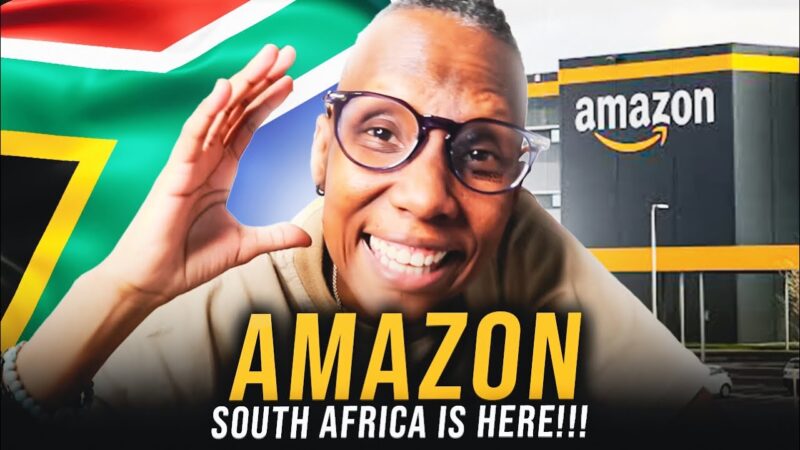
Something big just landed on African soil, and it did not come quietly. Amazon officially launched its Prime membership service in South Africa on June 3, 2026, and the price point alone is turning heads across the continent.
The e-commerce giant confirmed the rollout of its paid Prime service, offering faster deliveries and media content for 59 South African rand, which works out to $3.61 a month, or 399 rand for a full year. For a country that has watched Amazon quietly build its local presence since 2024, this announcement feels like the real declaration of intent.
CHECK OUT:South Africa Faces Widening AI Skills Shortage as University Training Lags
The launch is significant because Prime is far more than a delivery service. Globally, it has become one of Amazon’s most powerful customer retention tools, bundling shopping perks with streaming and digital content under one roof.
Bringing that model to South Africa signals that Amazon believes its local operation has reached a stage where it can start building recurring subscription revenue rather than simply chasing marketplace growth. That is a meaningful shift in strategy, and anyone watching the African tech and eCommerce space should be paying close attention.
For South Africans, the membership is designed to make everyday life a little more convenient by pulling shopping, entertainment, and gaming benefits into a single subscription.
Members get faster deliveries on eligible items, access to Prime Video, and exclusive deals during major sales events. At less than $4 a month, the cost puts it within reach of a much wider audience than many expected, and that affordability feels entirely deliberate on Amazon’s part.
The timing of this launch is no accident either. Prime Day sales are scheduled for June 23 to 29 in South Africa, meaning new subscribers who sign up today will walk straight into one of the most competitive discount periods on the Amazon calendar.
That is a smart way to drive early adoption and demonstrate real value from day one. South African users will also have access to a 30-day free trial before committing to a paid plan, which lowers the barrier to entry even further and gives curious shoppers a genuine reason to explore the membership without any financial risk.
What is particularly telling about this move is what it reveals about Amazon’s broader competitive ambitions in the country. The company is not just going after Takealot in online retail.
It is simultaneously taking aim at streaming giants like Netflix and Canal+ by bundling Prime Video into the membership at a price point that is difficult to ignore. Amazon is planting a flag and inviting South African consumers to build their digital lives around its ecosystem, from shopping to entertainment to cloud gaming through its Luna platform.
It is worth remembering that Amazon only entered the South African market in May 2024, launching its local shopping platform and immediately challenging the long-dominant Takealot.
Since then, the company has moved steadily and deliberately, adding new product categories including groceries, pet supplies, and health supplements, while opening a seller support centre in Cape Town to attract more local merchants onto its platform. The Prime launch is the natural next chapter in that story, and it arrives at a moment when the South African online retail market is growing faster than most industry observers anticipated.
Amazon Prime is already available in 26 other countries around the world, so the infrastructure and content library are well established. What is new here is the decision to bring that full ecosystem to South Africa at a price that reflects local economic realities. That pricing strategy matters.
It suggests Amazon is not simply copy-pasting its Western playbook onto an African market but is making a deliberate effort to meet consumers where they are.
What makes this moment particularly interesting from a continental perspective is what it implies about Africa’s growing attractiveness to global technology companies.
South Africa has long served as the gateway market on the continent, the place where international players test their Africa strategies before deciding whether to push further north. Amazon’s willingness to roll out its full Prime model here, including streaming, gaming, and shopping perks, is a strong signal that the economics are beginning to make sense in ways they simply did not a few years ago.
For everyday South Africans, the practical question is straightforward. Is it worth it? At R59 a month, the answer depends largely on how often you shop on Amazon and whether you would genuinely use Prime Video. For anyone placing even a handful of orders a month, the delivery savings alone could justify the cost. Factor in Prime Video and the value proposition starts to look genuinely competitive against other streaming options currently fighting for South African living rooms.
The bigger story, though, is what Amazon Prime’s arrival means for the future of digital commerce across the continent. Amazon is no longer just trying to sell products in South Africa. It is trying to become a meaningful part of consumers’ daily digital lives, the kind of platform people return to not because they have to but because the habit has been built over time through consistent value. South Africa is where that vision is being tested on African soil, and if it takes root here, the rest of the continent will be watching very closely indeed.