




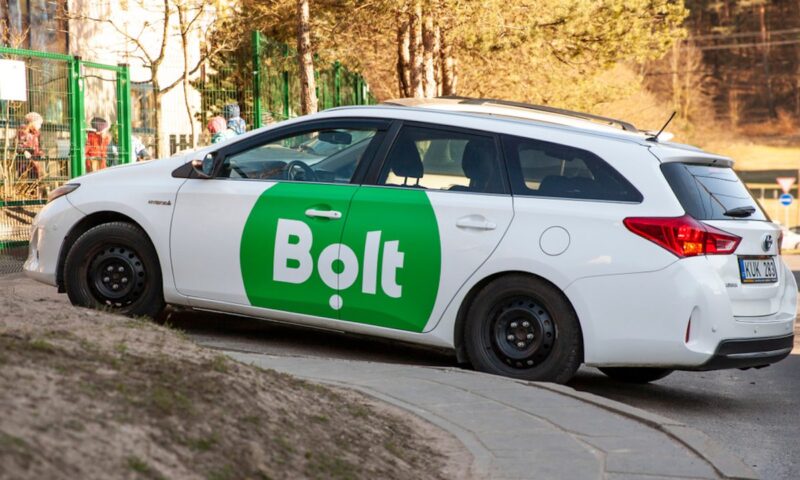
Bolt has launched a ride-hailing integration with ChatGPT. Users can now book trips through a simple conversation with the AI assistant. They no longer need to open a separate app. The Estonia-headquartered mobility company operates in more than 50 countries. It rolled out the feature across all its markets at once, according to TechCabal.
So how does it work? Riders can ask ChatGPT to plan a journey. They can compare route options and see an upfront price estimate right away. They can also check a driver’s expected arrival time. Plus, they can discuss a suggested pickup point, all within the same chat window. Once a rider picks a ride, ChatGPT hands them off to the Bolt app to finish the booking. Payment still happens inside the Bolt app for now. It uses whatever card or wallet is already linked to the account.
To use the feature, riders first need to enable Bolt from ChatGPT’s Plugins or Apps directory. This is where third-party services connect to the chatbot. It is not yet a fully automated booking experience. That’s because the transaction itself has not moved into ChatGPT. However, Bolt says direct in-chat payment is planned for later in 2026.
Caroline Wanjihia leads rides operations for Bolt Africa and South East Asia. She said the shift reflects how people now plan their day. In the past, trip planning meant juggling several apps. Today, much of that planning happens inside one AI conversation. She added that requesting a ride should feel just as simple. A rider should be able to ask, see the price, and go.
The timing matters most for Africa. ChatGPT adoption is growing faster on the continent than in almost any other region. Still, OpenAI has not released specific user numbers for Africa. By plugging into ChatGPT, Bolt gets a shot at that growing audience. At the same time, it strengthens its position in a market that keeps expanding. Analysts expect Africa’s ride-hailing industry to hit 3.25 billion dollars by 2031.
Bolt also made moves beyond Africa. The company says it is the first ride-hailing platform available through ChatGPT across the EU, UK, Switzerland, Norway, Ukraine, and Azerbaijan. That reach is significant. OpenAI has said ChatGPT sees roughly 900 million weekly users. Kimberly Hurd is Bolt’s senior general manager for the UK and Ireland. She said the pricing and trip details shown in ChatGPT match what riders already see in the Bolt app. That includes the upfront price, driver ETA, and pickup point. Asked about similar deals with other AI assistants, Hurd said there are no such plans right now. Instead, Bolt’s focus stays on making the ChatGPT rollout smooth across every market.
This launch also lands during a period of change for African ride-hailing. In July, Kenya’s Ministry of Roads and Transport proposed new rules. These would require platforms like Bolt and Uber to guarantee drivers a minimum payment per trip. If adopted, the move could nearly double the country’s current base fare of about 1.70 dollars. Meanwhile, South Africa has taken its own step. Regulators there have moved to formally recognise e-hailing as a distinct transport category.
Beyond Bolt, this shift signals something bigger. Industry watchers see the ChatGPT integration as part of a wider change in how people book everyday services. Accenture research backs this up. The study found that 80 percent of travellers worldwide already use AI tools to plan trips. More than half say they’re open to letting AI handle the whole process. For Bolt, gaining an early foothold in that shift could pay off. This is especially true in a mobile-first market like Africa, where the way people discover and book rides is already changing fast.