



Amazon Web Services wants to fix a common problem in enterprise AI. Coming up with an AI idea is easy. But turning that idea into a working product is hard. So AWS is betting that placing its own engineers inside client teams can close that gap, starting with Africa.
AWS launched its Forward Deployed Engineering unit in June 2026. The company backed it with a $1 billion investment. The goal is simple: move AI projects from idea to production in 45 days.
This model applies worldwide. However, it matters even more in Africa. Many African businesses want to use generative and agentic AI. Yet they often lack skilled talent, strong infrastructure and enough budget to make it happen.
This problem is not unique to Africa, though. In fact, up to 80% of enterprise AI projects get stuck at the pilot stage everywhere. Security worries, internal resistance and messy system integration are the biggest reasons why.
To solve this, AWS is doing more than selling software. Instead, it plans to send small teams of engineers, data scientists and cloud specialists to work directly with clients. These teams also use AI agents to speed up coding, testing and deployment.
AWS is not alone in this race, either. Microsoft launched a similar program in July 2026. It backed the effort with $2.5 billion and thousands of engineers. Microsoft also partners with major consulting firms to deliver its version.
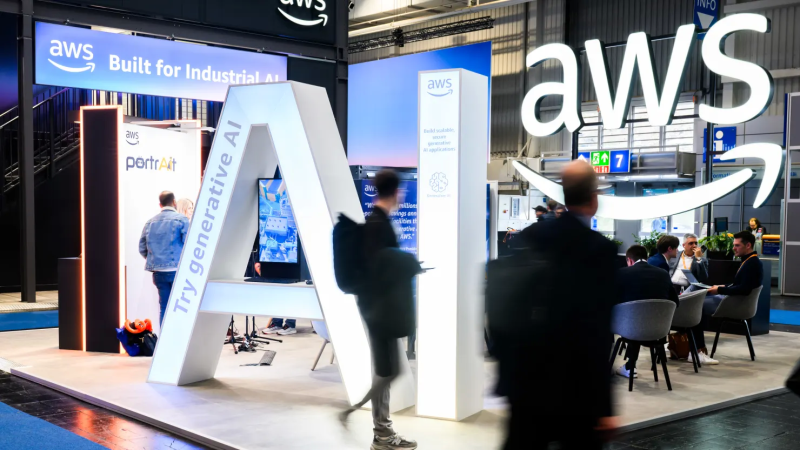
At an AWS Summit in Johannesburg on August 19, Jonathan Allen explained how the process works. Allen is AWS’s Executive in Residence. He said the model always starts with the customer and works backward from there.
According to Allen, AWS spends the first 45 minutes just listening. The team wants to understand what the client hopes to build. Next, they spend 45 hours checking if the idea can actually work. Only then does the 45-day build phase begin.
This structure follows a clear pattern. First, the team spots a real business problem. Then, they check the client’s data, infrastructure and budget. If everything lines up, the sprint starts.
AWS is also changing how consulting normally works. Most consultants study a problem, offer advice, then leave. AWS engineers, however, stay and build the product with the client’s own staff. As a result, clients walk away with more than a finished tool. They also gain new skills and reusable workflows they can use later on their own.
READ ABOUT:AWS Bets on Africa’s Data Sovereignty Push to Win AI Race
This kind of knowledge transfer could matter a lot for Africa. Many local businesses want to build their own AI capacity. But experienced engineers remain hard to find. So an embedded model like this offers two wins at once: expert help now, and stronger internal skills for later.
Still, AWS insists this is not an Africa-only program. The same rules apply everywhere, the company says. Start with the client’s problem. Work backward. Build side by side with their team.
That said, results in Africa are still unproven. AWS only launched this investment at the end of June. It has not shared any African case studies yet. The company says local success stories will come once clients agree to share them publicly.
Elsewhere, AWS already runs similar partnerships with the Allen Institute, Cox Automotive, the NBA, Ricoh, Southwest Airlines and the NFL. For example, AWS engineers helped the NFL launch two new fan products, NFL Fantasy AI and NFL IQ, in just weeks. According to the NFL’s chief information officer, Gary Brantley, both products drew real fan engagement from day one.
Even so, the 45-day target is not a guarantee for everyone. Bigger companies often face tougher hurdles. Legacy systems, strict rules and tighter security needs can all slow things down, especially in banking and government. So AWS treats the 45-day timeline as a goal, not a fixed promise.
For African businesses, the real test is still ahead. Can companies move fast enough to turn AI from a buzzword into a real business tool? AWS believes the answer depends less on better AI models and more on putting skilled engineers where they’re needed most.