



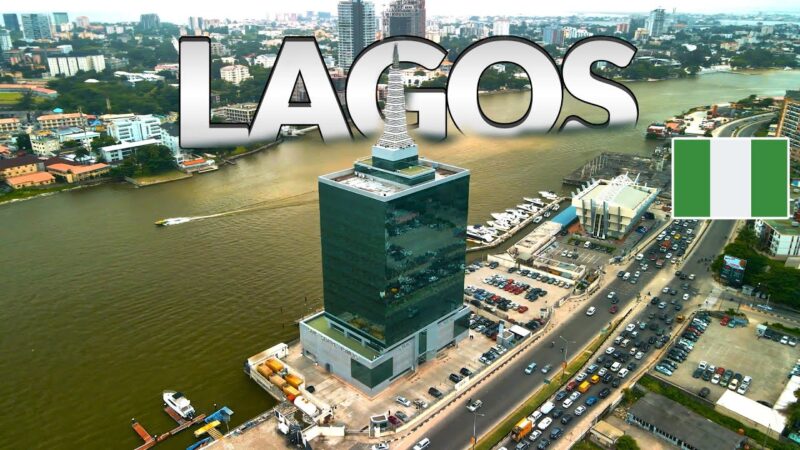
There is something quietly remarkable happening in Lagos. While conversations about Africa’s tech future often span the entire continent, one city keeps pulling ahead of the pack, and the numbers are starting to make that impossible to ignore. Lagos has cemented itself not just as Nigeria’s tech heartbeat, but as one of the most compelling startup cities in the entire world.
According to StartupBlink’s 2026 global rankings, Lagos placed 70th worldwide, making it one of only two African cities to crack the global Top 100 , with Cairo ranking 99th.
That is the meaningful milestone for a city that, not too long ago, was barely a footnote in global innovation conversations. Since 2017, Lagos’ startup enterprise value has increased more than elevenfold, reaching an estimated $15.3 billion by 2025, a trajectory that outperformed major cities including Istanbul and Mumbai.
SEE ALSO:Nigeria Unveils Meta-Backed AI Government Chatbot
The engine driving this growth is a combination of raw talent, a massive market, and a fintech revolution that refuses to slow down. Lagos alone hosts over 2,000 tech startups, contributing roughly 10% of Nigeria’s $432 billion GDP.
Names like Flutterwave, Moniepoint, and OPay have become synonymous with African innovation, and they are all rooted in Lagos soil. The city is not short of unicorns either Flutterwave, Andela, Interswitch, Moniepoint, and OPay lead a pack of globally recognised companies with strong footprints well beyond Nigeria’s borders.
But here is where the story gets more nuanced.
While Lagos the city is surging, Nigeria as a broader startup ecosystem is navigating a more complicated path. Nigerian startups raised $343 million in 2025, representing a 17% decline from the previous year, as economic challenges continue to weigh on overall growth. Funding concentration is a real concern too in 2024, over half of Nigeria’s total startup funding came from just two deals: Moove and Moniepoint. That kind of concentration is a warning sign for ecosystem health, even when headline numbers look decent.
Infrastructure remains a stubborn obstacle. More than 60% of Nigeria’s population still lacks reliable electricity, forcing startups to invest in expensive backup power solutions , that eat into margins and deter early-stage founders. Regulatory clarity, while improving with the Nigerian Startup Act, still needs more muscle behind it to translate into consistent founder confidence.
A 2026 Startup-Friendly Cities Index report described Lagos as having a scale, urgency, and ingenuity that are very hard to replicate ,but it also flagged that infrastructure upgrades and policy alignment are the difference between Lagos being a regional champion and a true global innovation hub.
The city has the ambition. It has the talent. What it needs now is for the broader national ecosystem to catch up and give founders outside Lagos the same fighting chance.
The world is watching Lagos. Nigeria needs to make sure the rest of the country is watching too.